
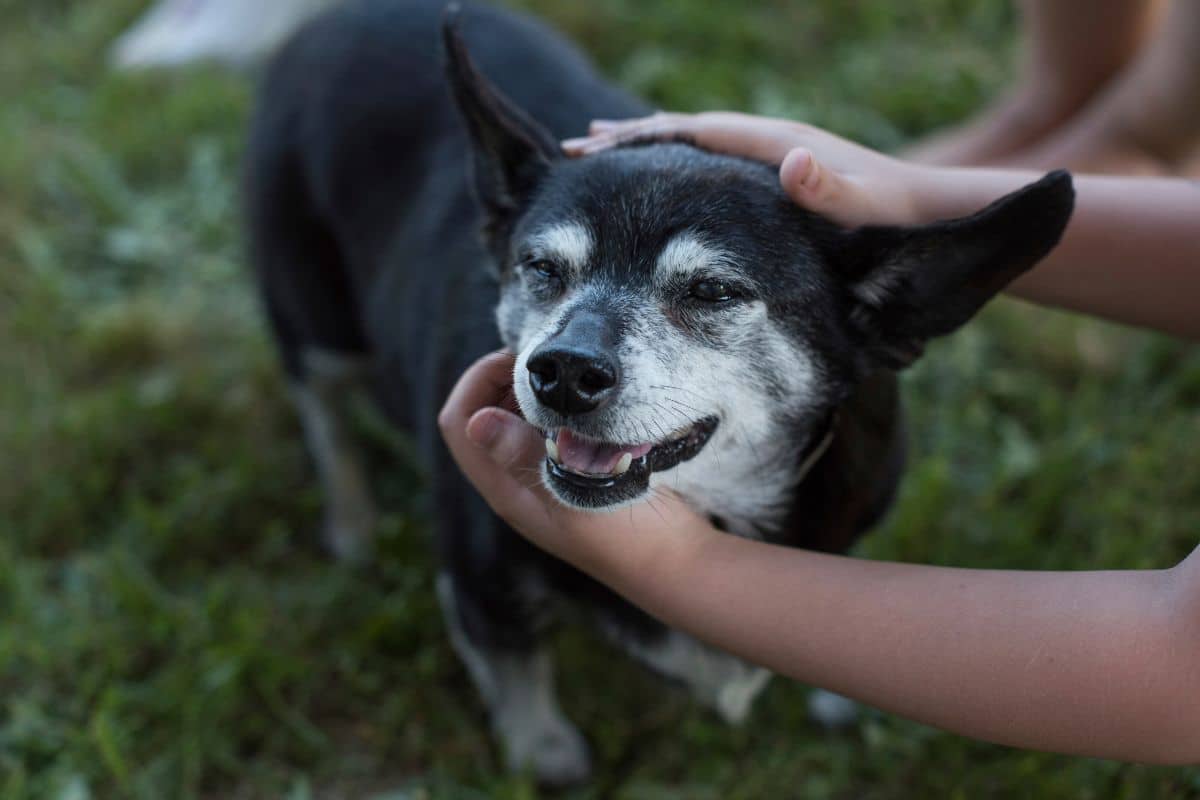
As dogs and cats get older, pet parents often start by changing their food. Nutrition matters, but switching to a senior formula does not address every age-related change. Joint discomfort, dental disease, muscle loss, chronic conditions, and behavioral changes may develop gradually and require attention beyond the food bowl.
At Suffield Veterinary Hospital, Dr. Huntington helps families understand these changes and make informed decisions about their pets’ changing needs. For families in Suffield and nearby communities, comprehensive senior pet care means looking at the whole pet, not simply changing what goes into their bowl.
Why Isn’t a New Diet Enough for an Aging Pet?
A new diet can support healthy aging, but food cannot diagnose arthritis, identify kidney changes, evaluate a painful tooth, or explain a sudden change in behavior. Aging affects multiple body systems, and some health problems may progress before obvious symptoms appear.
The nutritional needs of senior pets also vary. Some dogs need fewer calories as their activity decreases, while some older cats may have difficulty maintaining body weight and muscle mass. A pet with kidney disease or another medical condition may have different nutritional requirements than a healthy animal of the same age.
That is why dietary changes should be considered part of a broader health plan.
What Should Senior Pet Care Include Beyond Nutrition?
A comprehensive approach to aging pet care considers physical health, mobility, oral health, behavior, body condition, and changes observed at home.
1. More Frequent Veterinary Wellness Exams
Older animals can undergo meaningful health changes within several months. Regular wellness examinations give your veterinarian an opportunity to compare weight, body condition, muscle mass, mobility, heart and lung sounds, skin, teeth, and other findings over time.
For senior pets, twice-yearly veterinary checkups may be recommended, even when they appear healthy. These appointments can establish useful health baselines and help identify subtle changes sooner.
2. Blood Work and Other Diagnostic Screening
You cannot always tell how well the kidneys, liver, or other internal systems are functioning simply by looking at your pet. Routine blood work and urinalysis can provide information that a physical examination alone cannot reveal.
Depending on age, medical history, and examination findings, veterinary diagnostic testing may help evaluate:
- Kidney and liver function
- Blood cell counts
- Blood sugar
- Urinary health
- Changes associated with chronic disease
If your pet begins drinking more, urinating more frequently, losing weight, eating differently, or becoming unusually tired, do not assume these changes are simply part of getting older.
3. Pay Attention to Mobility and Chronic Pain
Slowing down is easy to dismiss as normal aging. However, reluctance to climb stairs, difficulty getting up, shorter walks, or avoiding favorite furniture may indicate joint discomfort or another mobility problem.
Senior pets can benefit from changes that make everyday movement easier. Depending on veterinary recommendations, these may include weight management, controlled low-impact exercise, pain management, rehabilitation, or changes to the home environment.
Nonslip rugs can improve traction on smooth floors. Ramps or steps may reduce the need for jumping. Supportive bedding and easily accessible food and water can also make daily routines more comfortable.
If you notice persistent changes in mobility, visit our veterinary hospital rather than simply reducing your pet’s activity. Identifying the reason behind the change can help determine appropriate support.
4. Protect Dental and Oral Health
Dental disease can significantly affect an older animal’s comfort and quality of life. Bad breath, dropping food, chewing on one side, avoiding hard foods, facial swelling, or difficulty eating should not automatically be considered normal signs of aging.
Regular oral examinations are an important component of senior pet care because older animals may develop periodontal disease, damaged teeth, painful tooth resorption, or other oral problems.
Changing to softer food may make eating easier temporarily, but it does not address the underlying cause of dental pain.
5. Monitor Weight and Muscle Condition, Not Just Appetite
A pet can continue eating while gradually losing muscle. Conversely, reduced activity without an appropriate calorie adjustment can contribute to excess weight, placing additional stress on joints.
Watch your pet’s overall body shape and physical ability. Unexplained weight loss or gain deserves attention. The same is true if your pet appears thinner along the spine or hips.
For senior pets, nutritional planning should consider body condition, muscle condition, activity level, existing disease, and the ability to digest and use nutrients effectively.
6. Watch for Cognitive and Behavioral Changes
Physical health is only part of healthy aging. Older dogs and cats can experience changes in cognition, sleep, anxiety, and behavior.
Signs worth discussing with your veterinarian include:
- Appearing confused in familiar surroundings
- Becoming restless at night
- Changes in normal sleep patterns
- New house-soiling behavior
- Increased anxiety or irritability
- Changes in interaction with family members
- Becoming less interested in familiar activities
These behaviors can have several possible causes. A veterinary evaluation is important before assuming they are simply due to age.
7. Adapt Exercise and the Home Environment
Regular movement can help support muscles, joint function, healthy body weight, and mental engagement. The goal is not to make an older pet exercise as much as a younger one. Activity should match the animal’s physical abilities and medical needs.
Shorter walks, gentle play, food puzzles, easy-to-access resting areas, and predictable daily routines can help senior pets remain engaged. Cats may benefit from lower-entry litter boxes or easier routes to favorite resting spots. Dogs with mobility limitations may benefit from ramps, harness support, or nonslip surfaces.
When Should You Be Concerned About Changes?
Pet parents know their animals’ routines better than anyone. Small changes can provide useful clues. Contact your veterinarian if you notice increased thirst or urination, unexplained weight changes, persistent coughing, difficulty breathing, new lumps, bad breath, trouble chewing, reduced mobility, confusion, or significant changes in appetite.
Waiting for symptoms to become severe can make some conditions more difficult to manage. Consistent aging pet care creates opportunities to recognize changes earlier and make decisions based on what your pet needs now.
Help Your Older Pet Enjoy More Comfortable Years
A different diet may support an aging pet, but healthy senior years involve much more than nutrition alone. Regular veterinary examinations, recommended diagnostic screening, dental care, mobility support, weight monitoring, mental enrichment, and thoughtful home adjustments can all help maintain comfort and quality of life.
If your aging dog or cat is slowing down or experiencing changes you cannot explain, contact us at Suffield Veterinary Hospital to discuss your pet’s health. Our veterinary team can help identify potential concerns and create a proactive care plan tailored to your pet’s needs as they age.
Frequently Asked Questions
Q1. How often should an older dog or cat have a veterinary checkup?
Ans. Many aging dogs and cats benefit from veterinary examinations about every six months. More frequent evaluations may be recommended when a pet has a chronic condition or develops new symptoms. Regular visits also allow changes to be compared with previous health findings.
Q2. Should I automatically switch my pet to senior food at a certain age?
Ans. Not necessarily. Nutritional needs depend on species, breed, body condition, activity, health status, and existing medical conditions. A veterinarian can evaluate these factors before recommending a dietary change rather than relying only on the age printed on a food label.
Q3. What health changes should I watch for as my pet gets older?
Ans. Watch for changes in appetite, thirst, urination, body weight, mobility, sleep, breathing, behavior, and chewing. New lumps, persistent bad breath, confusion, or reduced interest in normal activities also deserve attention. Even subtle changes can justify a veterinary evaluation.
Q4. How can I make my home easier for an aging pet?
Ans. Consider nonslip surfaces, supportive bedding, ramps, pet steps, and easy access to food and water. Cats with mobility problems may benefit from lower-entry litter boxes. Home modifications should reflect your animal’s physical abilities and any veterinary recommendations.
Q5. Is slowing down always a normal part of aging?
Ans. No. Some decrease in activity can occur with age, but reluctance to walk, climb stairs, jump, or stand may indicate discomfort or disease. A veterinary examination can help determine whether the change is related to joints, pain, illness, or another underlying issue.
Q6. Why are blood tests important when an older pet seems healthy?
Ans. Some internal changes may develop before visible symptoms appear. Blood work, urinalysis, and other tests can provide information about organ function and overall health. Your veterinarian can determine which tests are appropriate based on your pet’s age, examination, and medical history.



Trusted Pet Care & a Friendly Welcome for Every Pet
Call/Text: (860) 668-4041
