
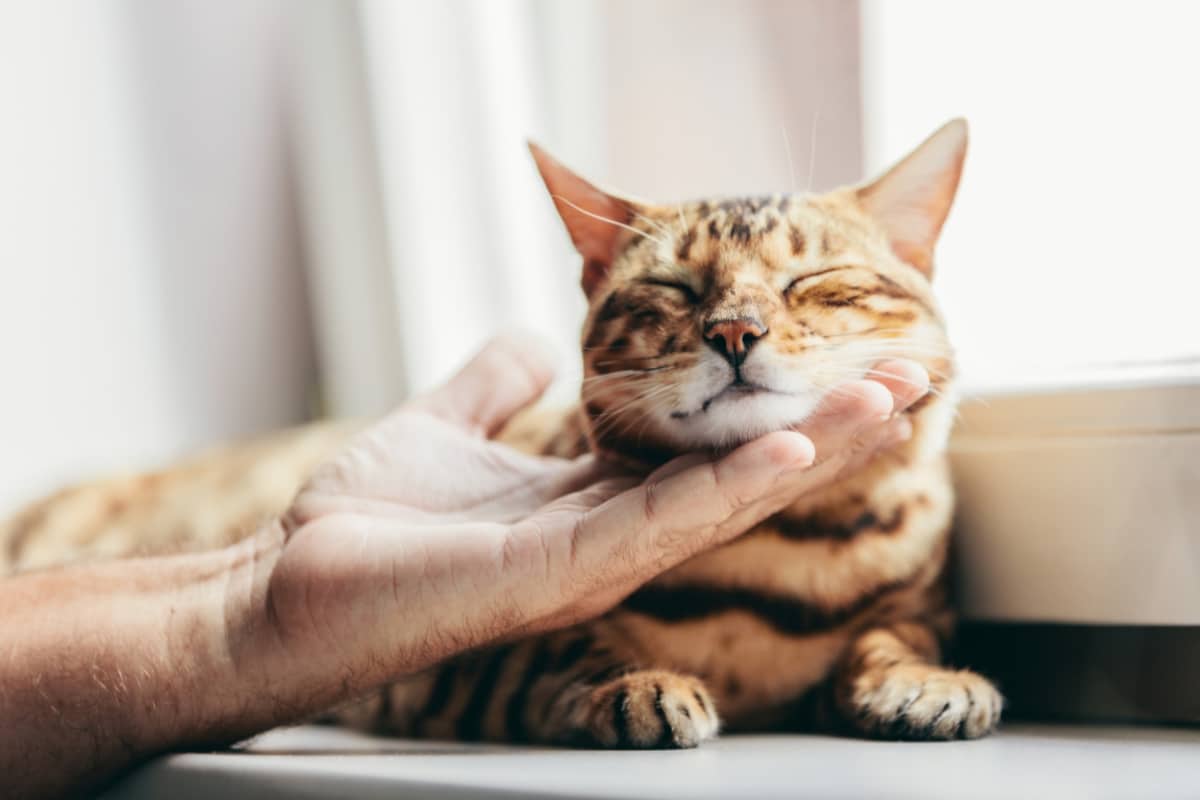
Your senior cat may still enjoy favorite treats, greet you every morning, and curl up in the same sunny spot. Yet, something feels different when you pick them up. They seem lighter, their spine feels more noticeable, or their once-rounded body looks thinner. These changes often happen gradually, making them difficult to recognize.
Although cats experience physical changes as they age, unexplained weight loss should never be dismissed as normal aging. It may indicate underlying problems involving the kidneys, thyroid gland, digestive system, or other organs.
For cat owners in Suffield, understanding these changes can help protect their aging companions. This guide explains why senior cats lose weight, which symptoms require attention, and how veterinary care can help maintain their strength, comfort, and quality of life.
Is It Normal for Senior Cats to Lose Weight?
Older cats sometimes lose muscle mass as they age. This condition, known as sarcopenia, can make their hips, shoulders, and backbone more noticeable.
However, unexplained weight loss is not something owners should ignore. Cats generally enter their senior years around age 10 or 11. During this stage, changes in metabolism, organ function, and nutritional requirements may affect their body condition.
A cat that continues eating normally but steadily loses weight may have an underlying medical condition. Regular veterinary examinations help distinguish age-related changes from illnesses requiring treatment.
6 Common Causes of Weight Loss in Senior Cats
Several medical conditions can cause older cats to become thinner. Understanding these possibilities helps owners recognize concerning symptoms.
Hyperthyroidism
Hyperthyroidism occurs when the thyroid gland produces excessive hormones, increasing the body’s metabolic rate. Affected cats burn calories faster than normal, sometimes losing considerable weight despite eating more food.
Common symptoms include:
- Increased appetite with continued weight loss
- Excessive thirst and frequent urination
- Restlessness or increased vocalization
- Vomiting or diarrhea
- Changes in coat appearance
Blood testing can help identify abnormal thyroid hormone levels. Treatment options may include medication, radioactive iodine therapy, prescription diets, or surgery.
Chronic Kidney Disease
Kidney disease is a common cause of weight loss in aging cats. Healthy kidneys remove waste products from the bloodstream and regulate fluid balance. When kidney function declines, waste can accumulate and affect appetite, hydration, and overall health.
Signs may include increased thirst, frequent urination, reduced appetite, vomiting, and gradual muscle loss. Although chronic kidney disease cannot usually be reversed, early diagnosis can help manage symptoms and slow progression in many cats.
Diabetes Mellitus
Diabetes develops when a cat’s body cannot produce or properly use insulin. Without effective insulin activity, the body may break down fat and muscle for energy, causing weight loss despite an increased appetite.
Other symptoms include excessive thirst, frequent urination, and reduced energy. Our vets may recommend blood glucose testing and urinalysis to investigate diabetes. Treatment commonly involves insulin therapy, nutritional management, and ongoing monitoring.
Dental Disease and Oral Pain
Dental problems can make eating uncomfortable for senior cats. Conditions such as periodontal disease, tooth resorption, and oral inflammation may cause significant pain.
Watch for:
- Dropping food while eating
- Chewing on one side
- Bad breath
- Drooling
- Avoiding hard food
Some cats continue approaching their food bowls but eat smaller portions because chewing hurts.
A veterinary dental examination can identify painful conditions and determine appropriate treatment.
Digestive Disorders
Some senior cats lose weight because their digestive systems cannot properly absorb nutrients. Inflammatory bowel disease, intestinal lymphoma, and other gastrointestinal conditions can interfere with digestion.
Affected cats may experience chronic vomiting, diarrhea, appetite changes, or gradual weight loss. However, digestive disorders sometimes develop without obvious gastrointestinal symptoms. Veterinary testing helps identify the underlying problem and guide treatment.
Cancer and Other Chronic Illnesses
Cancer becomes more common as cats grow older. Certain cancers affect appetite, metabolism, and the body’s ability to maintain muscle mass. Liver disease and other chronic illnesses may also contribute to unexplained weight loss.
Additional symptoms can include persistent fatigue, vomiting, unusual swelling, or behavioral changes. Weight loss alone does not indicate cancer, but unexplained changes warrant veterinary investigation.
When Should You Worry About Your Senior Cat’s Weight Loss?
Weight loss may develop slowly, but certain symptoms suggest your cat needs veterinary attention.
Contact a veterinarian if you notice:
- Visible ribs or backbone: Your cat appears noticeably thinner.
- Appetite changes: Your cat eats significantly more or less than usual.
- Increased thirst: Water consumption rises unexpectedly.
- Frequent vomiting: Episodes become persistent or more common.
- Reduced activity: Your cat hides or avoids familiar activities.
- Bathroom changes: Urination or bowel movements become unusual.
Even without additional symptoms, unexplained weight loss deserves a prompt veterinary appointment.
Seek emergency care if your cat collapses, experiences breathing difficulties, or becomes severely weak. Cats that stop eating for 24 hours also need prompt veterinary assessment.
How Our Veterinary Practice Helps Diagnose Senior Cat Weight Loss
At our veterinary practice, we understand how concerning unexpected changes in your cat’s health can be.
Our approach begins with reviewing your cat’s medical history, eating habits, behavior, and recent physical changes.
Physical Examination
Our vets assess your cat’s body condition, muscle mass, mouth, abdomen, and overall health. We also compare previous weight measurements to determine how quickly changes have occurred.
Diagnostic Testing
Depending on examination findings, we may recommend:
- Complete blood count and blood chemistry
- Thyroid hormone testing
- Blood glucose evaluation
- Urinalysis
- Additional diagnostic imaging when indicated
These tests help investigate kidney disease, diabetes, thyroid disorders, and other possible causes.
Nutrition and Weight Management
Not every senior cat requires the same diet. Some need additional calories or protein to maintain muscle mass, while others require nutritional adjustments for specific illnesses. Our vets assess your cat’s condition before recommending dietary changes.
Ongoing Health Monitoring
Many chronic conditions require continued management rather than a single treatment. Our senior pet care services focus on monitoring age-related health changes and addressing developing medical concerns. Regular follow-up appointments help us evaluate treatment progress and adjust recommendations when necessary.
What Local Cat Owners Say
Clear communication and caring follow-up make a real difference when your cat is unwell. One client shared:
“I take all 4 of my cats there; everyone’s always been so great, kind and compassionate. The cat I am the closest with needed emergency surgery a couple of years ago, and after, I was a worry wart about everything with her but they listened and replied to every text message I sent/call and checked up on her! Highly recommend!”
Linda, Google Review
How Can You Help Your Senior Cat Maintain a Healthy Weight?
Home monitoring plays an important role in supporting your cat’s health between veterinary visits.
Consider these practices:
- Monitor weight regularly: Use the same scale whenever possible.
- Track food intake: Record changes in appetite and portion sizes.
- Make meals accessible: Place food and water in comfortable locations.
- Observe bathroom habits: Watch for unusual urination or bowel movements.
- Maintain consistent routines: Provide predictable feeding times.
- Follow dietary recommendations: Discuss significant food changes with your veterinarian.
Simply increasing food portions may not resolve weight loss caused by an underlying illness.
Why Early Diagnosis Matters for Senior Cats
A senior cat’s health can change considerably within a few months. Conditions such as hyperthyroidism, diabetes, and kidney disease may progress before noticeable symptoms develop.
Early diagnosis creates opportunities to manage these illnesses before complications become more serious. Regular examinations also establish records of your cat’s weight, muscle condition, and laboratory findings. Comparing these results over time helps our vets recognize subtle changes and recommend appropriate care.
Help Your Senior Cat Stay Healthy and Comfortable
Watching your senior cat become thinner can be concerning, especially when the cause remains unclear. Fortunately, many conditions responsible for weight loss can be treated or managed with timely veterinary attention. Identifying the underlying problem helps protect your cat’s comfort, strength, and overall well-being.
If your senior cat is losing weight unexpectedly, don’t wait for additional symptoms. At Suffield Veterinary Hospital, we provide senior pet care in Suffield, including wellness examinations, diagnostic testing, nutritional guidance, and ongoing health monitoring.
Contact our veterinary practice today to schedule your senior cat’s examination. Our team is here to help you understand your companion’s changing health needs and support a healthier, more comfortable life.
Frequently Asked Questions
Q1. Why Is My Senior Cat Losing Weight but Still Eating Normally?
Ans. Hyperthyroidism, diabetes, and digestive disorders can cause weight loss despite a normal or increased appetite. Veterinary testing can help identify the cause.
Q2. How Much Weight Loss Is Concerning in an Older Cat?
Ans. Any unexplained or continuing weight loss deserves attention. Even small changes can be significant, particularly in cats with lower body weights.
Q3. Can Senior Cats Regain Weight After Treatment?
Ans. Yes. Some cats regain weight after their underlying illness is treated or managed. Recovery depends on the diagnosis, nutritional status, and response to treatment.
Q4. Where Can I Take My Senior Cat for Weight Loss in Suffield?
Ans. Suffield Veterinary Hospital provides veterinary examinations and diagnostic testing for aging cats in Suffield. Our vets can investigate unexplained weight changes and recommend appropriate care.
Q5. Does Suffield Veterinary Hospital Recommend Regular Senior Cat Checkups?
Ans. Yes. Suffield Veterinary Hospital recommends regular senior wellness examinations to monitor body weight, evaluate health changes, and identify potential medical concerns.
Q6. Can Suffield Veterinary Hospital Help Manage Chronic Conditions in Senior Cats?
Ans. Yes. Suffield Veterinary Hospital offers senior pet care in Suffield, including diagnostic evaluations, nutritional guidance, and ongoing monitoring to help manage chronic health conditions.


Trusted Pet Care & a Friendly Welcome for Every Pet
Call/Text: (860) 668-4041
