
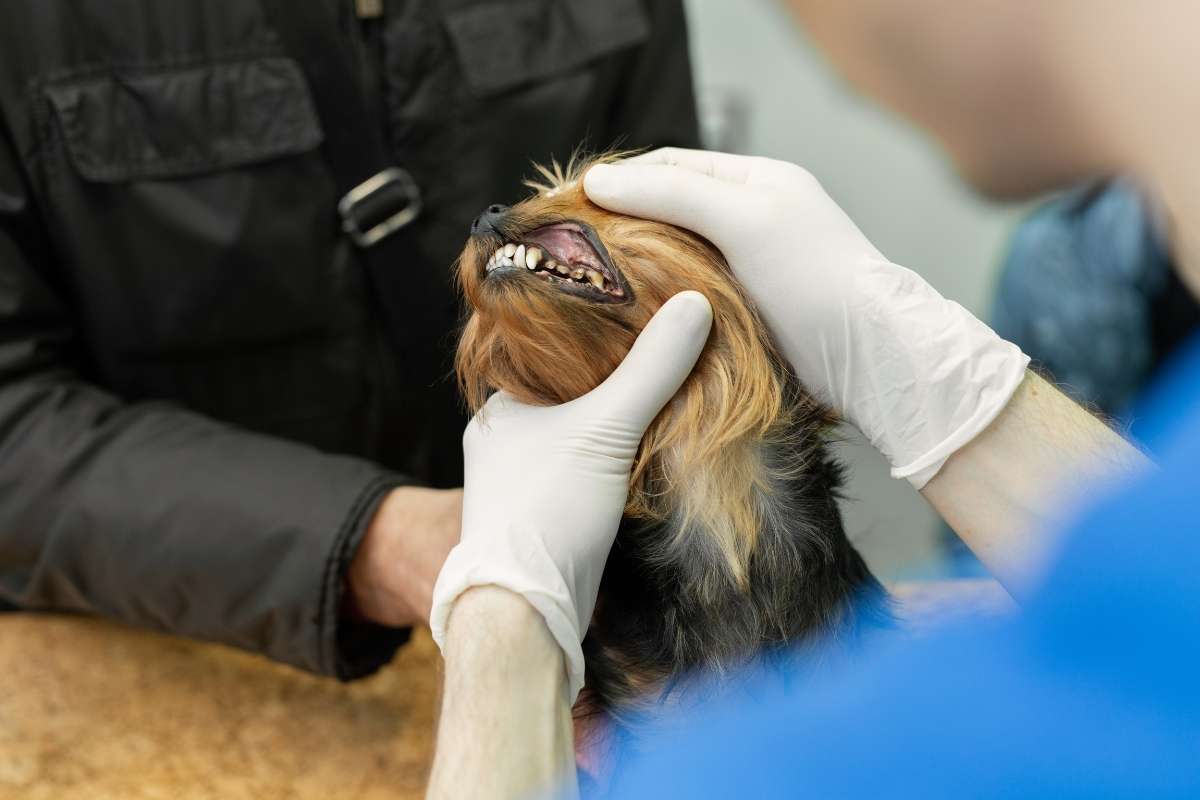
Dental health plays a major role in your pet’s overall well-being. Many dogs and cats develop dental disease long before owners notice visible symptoms. Plaque buildup, gum inflammation, tooth infections, and untreated oral pain can affect eating habits, behavior, and even internal organ health over time. Preventive dental care helps reduce these risks while improving comfort and quality of life.
At Suffield Veterinary Hospital, veterinarians work closely with pet owners to help dogs and cats maintain healthier teeth and gums through routine wellness care, professional dental evaluations, and preventive recommendations tailored to each pet’s needs.
Many pet owners only recognize dental problems after symptoms become severe. Learning how to prevent oral disease early can help pets stay healthier and avoid unnecessary discomfort. For families in Suffield, CT, routine dental care can become an important part of long-term preventive health management.
Why Dental Health Matters for Pets
Dental disease affects far more than just the mouth. Bacteria from infected gums can enter the bloodstream and potentially impact organs such as the heart, kidneys, and liver.
Common dental problems in pets include:
- Plaque and tartar buildup
- Gingivitis
- Periodontal disease
- Tooth fractures
- Oral infections
- Tooth loss
Without treatment, dental disease may lead to chronic pain and serious health complications.
Signs Your Pet May Have Dental Problems
Many pets hide oral discomfort surprisingly well. Recognizing early warning signs can help owners seek treatment before dental disease progresses.
Common symptoms include:
- Bad breath
- Red or swollen gums
- Yellow or brown tartar buildup
- Drooling
- Difficulty chewing
- Pawing at the mouth
- Loose or missing teeth
- Reduced appetite
Behavioral changes such as irritability or avoiding chew toys may also indicate oral pain.
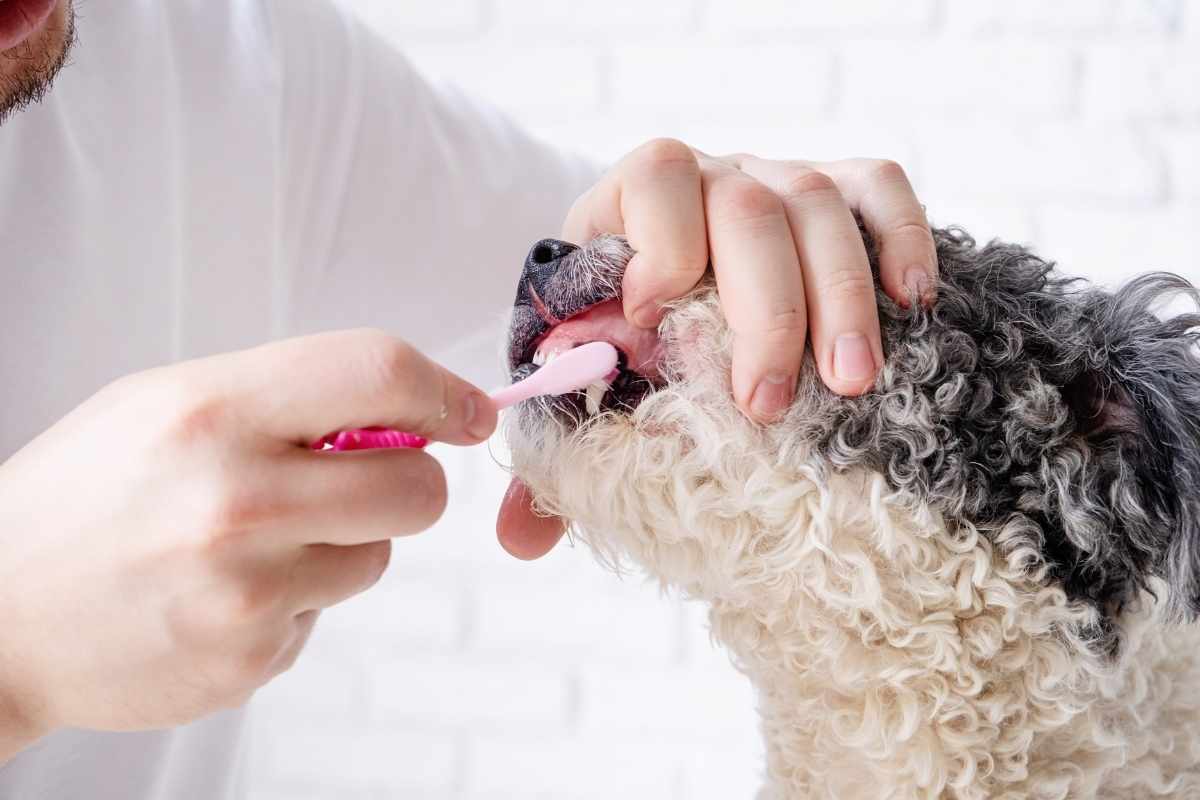
Brush Your Pet’s Teeth Regularly
Daily or routine brushing remains one of the most effective ways to prevent dental disease in pets.
Tips for brushing include:
- Use pet-safe toothpaste only
- Start slowly with short sessions
- Choose a soft-bristle pet toothbrush
- Reward pets after brushing
- Focus on the outer tooth surfaces
Human toothpaste should never be used because some ingredients may be toxic to pets.
Consistency matters more than perfection. Even brushing several times weekly may significantly reduce plaque buildup.
Provide Dental-Friendly Chews and Toys
Certain dental chews and toys can help reduce plaque while supporting gum health.
Helpful options may include:
- Veterinary-approved dental chews
- Rubber chew toys
- Dental treats designed for oral hygiene
- Textured toys that encourage chewing
Avoid extremely hard objects such as bones or antlers that may fracture teeth.
Always monitor pets during chewing activities to reduce choking or injury risks.
Schedule Routine Veterinary Dental Exams
Professional dental evaluations help identify oral disease that may not be visible at home.
Routine dental visits may include:
- Oral examinations
- Tartar assessment
- Gum health evaluation
- Dental X-rays if needed
- Professional cleanings
Regular exams allow veterinarians to detect infection, broken teeth, or gum disease before symptoms worsen.
Professional Dental Cleanings Support Long-Term Oral Health
Professional cleanings remove tartar beneath the gumline where brushing alone cannot reach.
Dental cleanings may help:
- Reduce bacteria
- Prevent gum disease
- Remove painful infections
- Improve breath odor
- Protect overall health
Most professional cleanings are performed under anesthesia to allow thorough cleaning and accurate examination.
Nutrition Can Influence Dental Health
Diet also plays a role in oral health maintenance.
Helpful nutritional strategies may include:
- Feeding balanced veterinary-approved diets
- Offering dental-specific kibble when recommended
- Avoiding excessive sugary treats
- Maintaining healthy weight management
Some diets are specifically formulated to support pet dental care by reducing plaque accumulation.
Monitor Changes in Eating Habits
Pets experiencing oral pain often show subtle changes during meals.
Potential warning signs include:
- Dropping food while eating
- Chewing on one side
- Refusing hard food
- Eating more slowly
- Crying while chewing
These symptoms may indicate fractured teeth, infections, or advanced periodontal disease.
Senior Pets Often Need Additional Dental Monitoring
Older pets may face increased risks for oral disease due to years of plaque accumulation and age-related health changes.
Senior pets may experience:
- Tooth loss
- Advanced gum disease
- Oral tumors
- Chronic inflammation
- Difficulty eating
Routine preventive exams become especially important as pets age.
Home Observation Helps Detect Problems Early
Pet owners play a major role in recognizing early oral health concerns.
Regularly check for:
- Gum redness
- Excessive drooling
- Mouth odor
- Broken teeth
- Swelling around the face or jaw
Early treatment often leads to better outcomes and less discomfort for pets.
Why Preventive Dental Care Is Important
Preventive oral care helps pets stay more comfortable while reducing the likelihood of serious dental disease later in life.
Benefits of preventive care may include:
- Fresher breath
- Reduced pain
- Better appetite
- Improved chewing ability
- Lower infection risks
- Better long-term health
An experienced veterinary team can recommend personalized dental care plans based on your pet’s breed, age, and oral health condition.
Supporting Better Oral Health for Dogs and Cats
Healthy teeth and gums contribute to a healthier, happier life for pets. Combining regular home care with professional veterinary monitoring can help prevent painful dental disease and improve overall wellness.
Preventive care remains one of the best ways to protect your pet’s comfort and long-term health. Consistent monitoring, healthy nutrition, and routine dental evaluations can make a significant difference throughout every stage of life.
If you’re in Suffield, CT, and looking for a veterinarian near you for dental wellness support, contact Suffield Veterinary Hospital. Our veterinary team provides professional dental evaluations, preventive care, and personalized treatment plans designed to help dogs and cats maintain healthier teeth, gums, and overall well-being.
FAQs
Q1. How often should pets have dental exams?
Ans. Most pets benefit from annual dental evaluations, although some dogs and cats may require more frequent monitoring depending on breed, age, and oral health condition.
Q2. Is bad breath in pets normal?
Ans. Persistent bad breath is often a sign of dental disease, infection, or gum inflammation and should be evaluated by a veterinarian.
Q3. Can dental disease affect my pet’s overall health?
Ans. Yes. Oral bacteria may spread through the bloodstream and potentially affect organs such as the heart, liver, and kidneys over time.
Q4. Are dental cleanings safe for older pets?
Ans. Many senior pets safely undergo professional dental cleanings after a physical exam and appropriate diagnostic testing to assess overall health.
Q5. What type of toothpaste should I use for my pet?
Ans. Only pet-safe toothpaste should be used because human toothpaste may contain ingredients that are harmful to dogs and cats.
Q6. When should I seek veterinary care for dental problems?
Ans. Difficulty eating, swollen gums, excessive drooling, bleeding, broken teeth, or persistent bad breath should be evaluated promptly by a veterinarian.


Trusted Pet Care & a Friendly Welcome for Every Pet
Call/Text: (860) 668-4041
