

Many pet owners understand the importance of regular meals, exercise, and wellness visits, but dental health is often overlooked. Just like people, dogs and cats can develop plaque, tartar buildup, gum irritation, and painful oral conditions if their teeth do not receive proper care. Maintaining a healthy mouth at home can improve your pet’s comfort, eating habits, and overall quality of life.
Dental care does not have to be complicated. With the right tools, consistent habits, and guidance from veterinary professionals, pet owners can create an effective oral hygiene routine that supports healthier teeth and gums. Starting early and making dental care a positive experience can help pets accept these habits throughout their lives.
Regular pet dentistry focuses on preventing and managing oral health problems through professional evaluations, cleanings, and ongoing care recommendations. While professional dental care is essential, daily home care plays an important role in reducing plaque and maintaining oral wellness between veterinary visits.
This guide explains veterinarian-approved at-home dental care tips, common mistakes to avoid, and simple ways to help your pet maintain a healthier smile.
Why Dental Care Matters for Dogs and Cats
Your pet’s mouth contains bacteria that naturally collect on the teeth. Without regular cleaning, these bacteria combine with food particles and form plaque.
If plaque remains on the teeth, it can harden into tartar. Over time, tartar buildup may contribute to:
- Gum inflammation
- Tooth discomfort
- Bad breath
- Difficulty chewing
- Loose teeth
- Oral infections
Dental problems can affect more than your pet’s mouth. Advanced oral disease may impact overall wellness because bacteria from the mouth can enter the bloodstream and affect other body systems.
That is why maintaining good dental habits from an early age is an important part of responsible pet ownership.
Start Dental Care Early
The best time to introduce dental care is when your pet is young. Puppies and kittens often adapt more easily to new routines, but older pets can also learn to accept brushing with patience.
Start slowly by allowing your pet to become comfortable with:
- Having their mouth touched
- Seeing the toothbrush
- Tasting pet-safe toothpaste
- Short brushing sessions
Avoid forcing the process, as this can create fear or resistance. Instead, reward calm behavior and gradually increase the amount of time spent on dental care.
Use Toothpaste Made Specifically for Pets
Human toothpaste is not safe for dogs and cats. Many human products contain ingredients that pets should not swallow.
Pet-specific toothpaste is designed with animal safety in mind and often comes in flavors pets enjoy, such as:
- Poultry
- Beef
- Seafood
- Malt
When choosing toothpaste, look for products made specifically for dogs or cats and follow usage instructions carefully.
Brush Your Pet’s Teeth Regularly
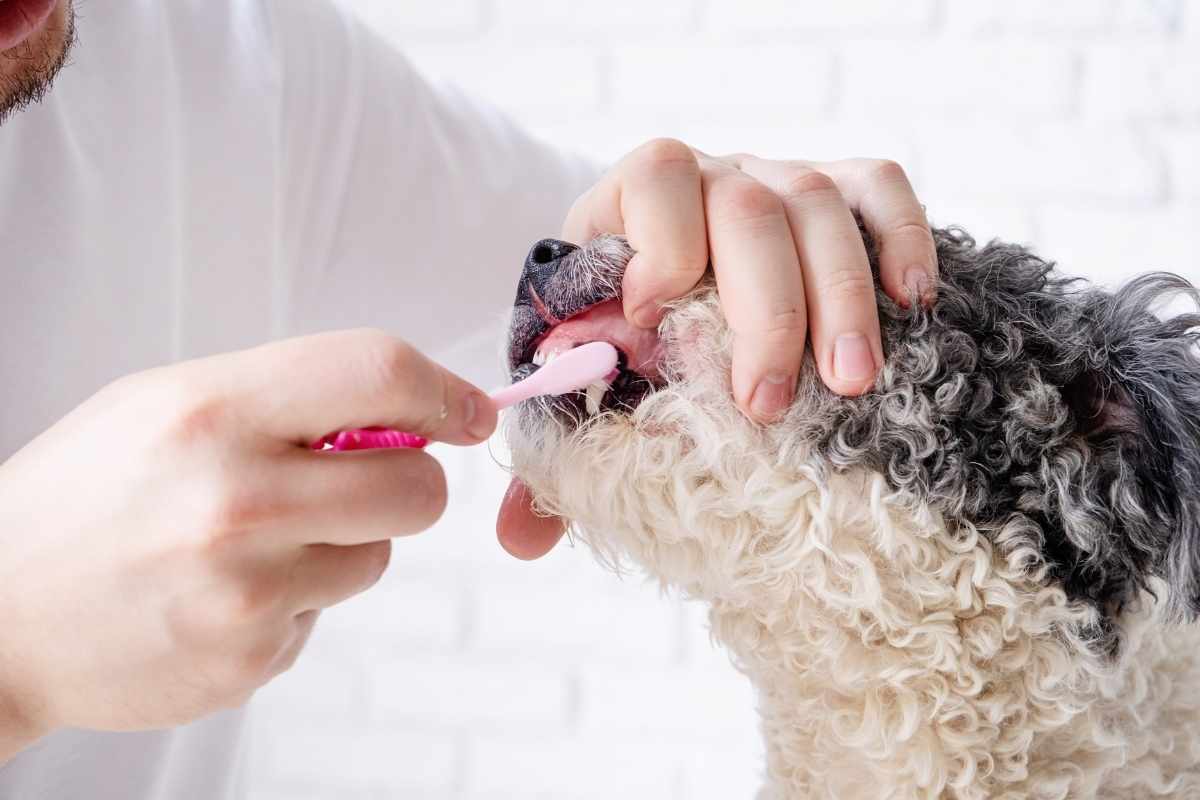
Brushing is one of the most effective ways to reduce plaque buildup at home.
Follow these steps:
Step 1: Choose the Right Toothbrush
Select a toothbrush designed for pets. Options may include:
- Small-headed brushes for cats and small dogs
- Finger brushes for easier handling
- Long-handled brushes for reaching back teeth
Step 2: Introduce the Toothbrush Slowly
Allow your pet to sniff and investigate the toothbrush before using it. Let them taste a small amount of toothpaste to build acceptance.
Step 3: Focus on the Outer Tooth Surfaces
Most plaque accumulates on the outside surfaces of the teeth, especially near the gum line.
Gently brush using small circular motions.
Step 4: Keep Sessions Short
A few seconds of successful brushing is better than a stressful experience. Gradually increase the time as your pet becomes comfortable.
Create a Consistent Dental Routine
Consistency is more important than occasional effort.
A regular routine helps your pet become familiar with dental care and allows you to monitor changes in their mouth.
Helpful habits include:
- Brushing teeth several times per week
- Checking gums regularly
- Monitoring breath changes
- Observing chewing habits
- Scheduling routine oral evaluations
Small daily actions can make a significant difference in your pet’s dental health.
Consider Dental Chews and Toys
Dental products can support oral hygiene when used correctly. Certain dental chews and toys are designed to help reduce plaque buildup through chewing action.
However, they should not replace brushing.
When selecting dental products:
- Choose items made for your pet’s size.
- Avoid extremely hard objects that may damage teeth.
- Monitor your pet while chewing.
- Follow recommended usage guidelines.
Your veterinarian can help determine which options are appropriate for your pet.
Provide a Balanced Diet
Nutrition plays a role in maintaining overall oral health.
A balanced diet supports:
- Strong teeth
- Healthy gums
- Proper body function
- Overall wellness
Some pets may benefit from specific dental diets or feeding strategies, depending on their individual needs.
Always discuss diet changes with a veterinary professional before making adjustments.
Watch for Signs of Dental Problems
Even with regular home care, pets can still develop dental issues.
Contact your veterinarian if you notice:
- Persistent bad breath
- Red or swollen gums
- Difficulty eating
- Dropping food
- Excessive drooling
- Pawing at the mouth
- Loose teeth
- Changes in chewing behavior
Cats often hide signs of pain, so subtle changes in appetite or behavior should be taken seriously.
Common Dental Care Mistakes to Avoid
Many well-intentioned pet owners make mistakes that can affect oral health.
Using Human Dental Products
Human toothpaste and dental products may contain unsafe ingredients.
Brushing Too Hard
Aggressive brushing can irritate gums and make pets uncomfortable.
Ignoring Professional Cleanings
Home care helps control plaque but cannot remove hardened tartar below the gum line.
Waiting Until Problems Appear
Preventive dental care works best before serious problems develop.
The Importance of Professional Dental Evaluations
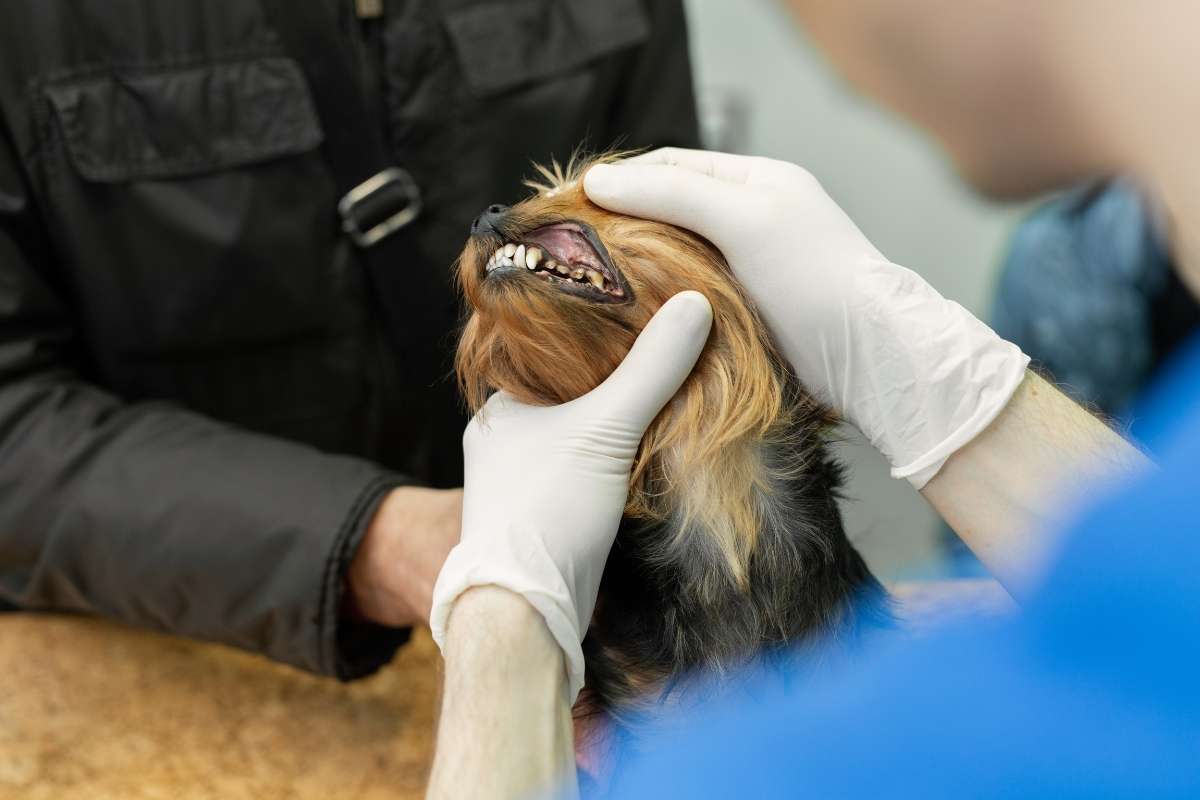
At-home care is an important part of maintaining your pet’s oral health, but professional evaluations remain essential.
Veterinary dental examinations allow professionals to:
- Check for hidden dental problems
- Identify painful conditions
- Evaluate gum health
- Recommend personalized care routines
Some dental concerns cannot be detected through a simple visual check at home.
How Often Should Pets Receive Dental Care?
The ideal dental routine depends on factors such as:
- Age
- Breed
- Size
- Existing dental health
- Lifestyle
Small dogs and certain breeds may develop dental problems more frequently due to tooth spacing and jaw structure. Cats may also require additional attention as they age.
Your veterinarian can recommend a dental schedule that fits your pet’s needs.
Making Dental Care Comfortable for Your Pet
A positive experience encourages long-term success.
Try these tips:
- Choose a quiet location.
- Offer rewards after brushing.
- Use gentle movements.
- Avoid rushing.
- Stay consistent.
Over time, many pets learn to accept dental care as part of their normal routine.
At-home dental care is an important part of keeping dogs and cats comfortable, healthy, and active throughout their lives. Regular brushing, pet-safe dental products, proper nutrition, and routine veterinary evaluations work together to support better oral health. While home care helps reduce plaque and maintain cleanliness, professional guidance remains essential for detecting and addressing dental concerns early. If you have questions about your pet’s dental routine or need personalized recommendations, schedule your appointment with your veterinarian to create an effective oral care plan.
Frequently Asked Questions
Q1. How often should I brush my dog’s or cat’s teeth?
Ans: Ideally, pets should have their teeth brushed daily. However, brushing several times per week can still provide benefits when done consistently.
Q2. Can I use human toothpaste for my pet?
Ans: No. Human toothpaste may contain ingredients that are unsafe for pets. Always use toothpaste specifically designed for dogs or cats.
Q3. What if my pet refuses to let me brush their teeth?
Ans: Introduce dental care slowly by allowing your pet to smell the toothbrush, taste pet-safe toothpaste, and become comfortable with mouth handling before brushing.
Q4. Are dental treats enough to keep my pet’s teeth clean?
Ans: Dental treats may help support oral health, but they should not replace brushing or professional dental evaluations.
Q5. How can I tell if my pet has dental problems?
Ans: Signs may include bad breath, gum redness, difficulty eating, drooling, loose teeth, or changes in chewing behavior.
Q6. Do pets still need professional dental cleanings if I brush their teeth at home?
Ans: Yes. Home brushing helps control plaque, but professional dental care is needed to evaluate deeper issues and remove hardened tartar that brushing cannot eliminate.

Trusted Pet Care & a Friendly Welcome for Every Pet
Call/Text: (860) 668-4041
