
Does your dog’s breath make you turn away whenever they come close? While occasional unpleasant breath after eating something smelly may not be concerning, persistent bad breath can indicate a problem. Many dog owners assume unpleasant breath is normal, especially as their pets get older. However, a strong, lingering odor often develops when bacteria accumulate in the mouth, or an underlying health condition affects their breath.
Understanding why your dog’s breath smells bad can help you recognize dental problems before they cause significant discomfort. For dog owners in Suffield, knowing the possible causes, warning signs, and treatment options can help protect their pets’ oral and overall health.
Is Bad Breath Normal in Dogs?
A dog’s breath will not always smell fresh, but it should not have a consistently strong or offensive odor. Mild changes can occur after meals or chewing certain treats. However, persistent bad breath, also called halitosis, deserves attention.
One common cause is bacterial buildup on the teeth and gums. When food particles and bacteria collect in the mouth, they form plaque. Without regular cleaning, plaque hardens into tartar and contributes to gum inflammation.
Over time, untreated dental problems can damage the tissues supporting the teeth, causing pain, infection, and tooth loss. Bad breath can also develop from conditions unrelated to dental health. Our vets recommend examining the mouth and considering other symptoms rather than assuming every case requires dental cleaning.
What Are the Most Common Dental Causes of Bad Breath in Dogs?
Dental disease is a frequent reason dogs develop unpleasant breath. Several oral conditions can produce similar odors but may require different treatments.
Plaque and Tartar Buildup
Plaque develops naturally as bacteria accumulate on tooth surfaces. If not removed regularly, it hardens into tartar, especially near the gumline.
Signs include:
- Yellow or brown deposits on teeth
- Persistent unpleasant breath
- Redness along the gums
- Sensitivity when the mouth is touched
Brushing helps remove plaque, but hardened tartar requires professional dental cleaning.
Gingivitis and Periodontal Disease
Gingivitis occurs when plaque bacteria cause gum inflammation. The gums may appear red, swollen, or sensitive. If inflammation progresses and damages the structures supporting the teeth, periodontal disease develops.
Dogs with periodontal disease may experience gum recession, loose teeth, oral pain, and persistent bad breath. Small breeds are particularly vulnerable because crowded teeth make cleaning difficult. Regular examinations and pet dental care help identify changes before significant damage occurs.
Infected or Damaged Teeth
A cracked tooth can expose sensitive tissues and allow bacteria to enter. Sometimes, an infection develops around the tooth root, causing discomfort and foul breath.
Your dog may:
- Chew on one side
- Drop food while eating
- Develop facial swelling
- Avoid hard treats
- Show sensitivity around the muzzle
Some dogs continue eating despite painful dental infections. A normal appetite does not guarantee healthy teeth.
Food or Foreign Material Trapped in the Mouth
Food particles, sticks, or other objects can become lodged between teeth or against the gums. Trapped material may irritate surrounding tissues and encourage bacterial growth.
If your dog’s breath suddenly becomes unpleasant after chewing something, a trapped object could be responsible. Avoid removing deeply embedded objects yourself. Seek veterinary assistance instead.
What Other Health Problems Can Cause Bad Breath in Dogs?
Although dental disease is a leading cause, certain medical conditions can also change a dog’s breath odor.
Kidney Disease
Dogs with advanced kidney dysfunction may develop ammonia-like breath when waste products accumulate in their bloodstream. Other signs include increased thirst, changes in urination, vomiting, and reduced appetite. Bloodwork and urine testing help veterinarians evaluate kidney function.
Diabetes Mellitus
Dogs with poorly controlled diabetes may develop fruity or acetone-like breath when ketones accumulate. This can indicate diabetic ketoacidosis, a potentially life-threatening complication.
Additional symptoms include excessive thirst, frequent urination, vomiting, and weakness. Fruity breath accompanied by vomiting, weakness, or abnormal breathing requires immediate emergency veterinary attention.
Digestive Problems
Frequent vomiting or regurgitation can cause unpleasant breath when stomach contents enter the mouth. However, persistent bad breath is more commonly associated with oral disease. If your dog experiences repeated vomiting, swallowing difficulties, or appetite changes, our vets may recommend further evaluation.
Oral Growths
Abnormal growths inside the mouth can become infected, ulcerate, or trap debris. These changes may cause unpleasant breath, bleeding, or difficulty eating. Not every oral lump is cancerous, but unexplained growths require veterinary examination.
What Warning Signs Should Dog Owners Watch for Along With Bad Breath?
Bad breath becomes more concerning when accompanied by changes in eating habits, behavior, or mouth appearance.
Watch for:
- Red or bleeding gums: Possible inflammation or periodontal disease.
- Loose or discolored teeth: Potential dental injury or advanced disease.
- Difficulty chewing: Possible oral pain.
- Excessive drooling: May indicate irritation or another oral condition.
- Pawing at the mouth: Possible discomfort or trapped material.
- Facial swelling: May indicate infection or another serious condition.
- Reduced appetite: Sometimes associated with painful teeth.
Dogs often hide discomfort and may continue eating despite dental disease.
Schedule an examination if your dog’s breath remains unpleasant. Facial swelling, significant bleeding, or difficulty eating warrants prompt veterinary attention.
How Do Veterinarians Identify the Cause of Bad Breath?
Identifying persistent bad breath begins with a physical examination and a review of your dog’s medical history. During wellness visits, our vets examine the mouth for visible plaque, tartar, gum inflammation, damaged teeth, and abnormalities.
We also consider symptoms such as increased thirst, vomiting, appetite changes, and unexplained weight loss.
Depending on the findings, additional evaluation may include:
- Oral examination: Checking teeth, gums, and surrounding tissues.
- Dental assessment: Determining whether professional cleaning or treatment is needed.
- Bloodwork: Investigating possible medical conditions.
- Urinalysis: Evaluating kidney function and metabolic concerns.
Some dental problems develop beneath the gumline and cannot be identified visually. A complete dental assessment under anesthesia, including dental X-rays when appropriate, may be recommended.
How Can You Prevent Bad Breath in Dogs?
Preventing unpleasant breath involves reducing plaque buildup and monitoring oral health.
Brush Your Dog’s Teeth Regularly
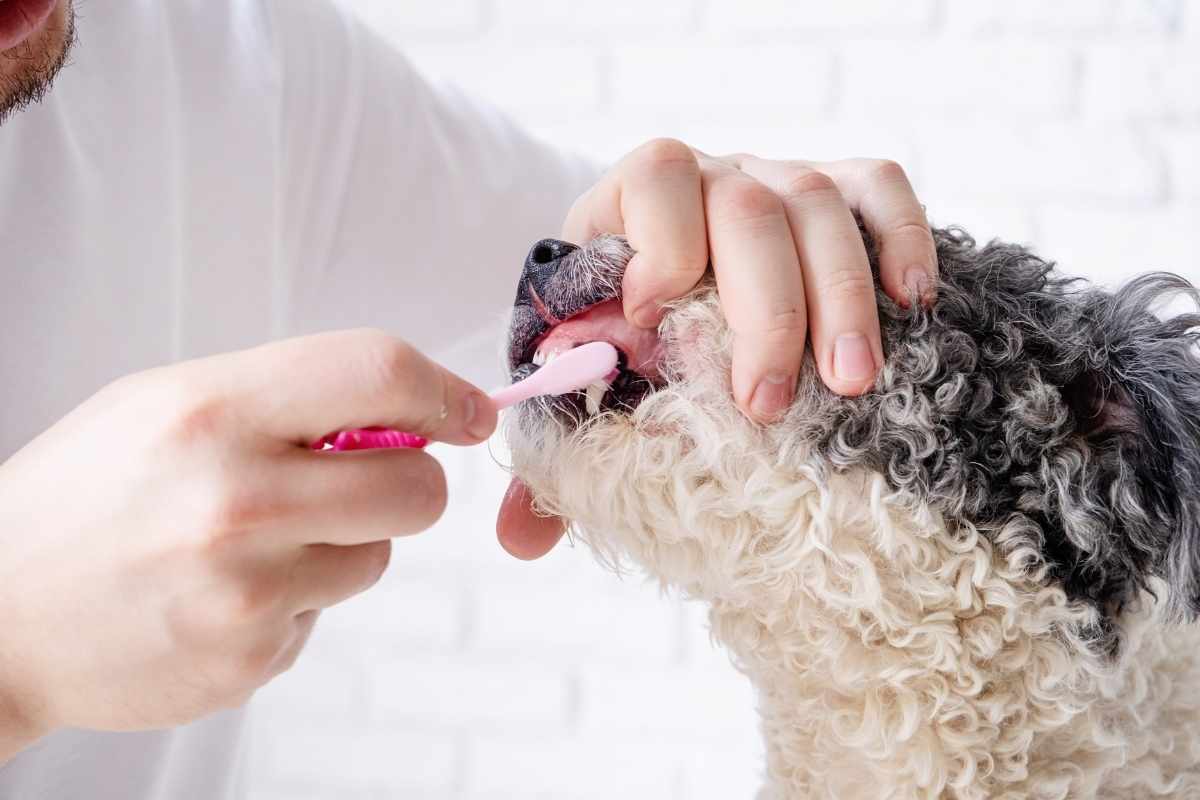
Daily brushing helps remove plaque before it hardens. Use a dog-friendly toothbrush and veterinary toothpaste. Human toothpaste may contain ingredients unsafe for pets. Introduce brushing gradually. If your dog has painful gums or damaged teeth, arrange an examination first.
Choose Appropriate Dental Chews
Certain dental chews help reduce plaque and tartar accumulation. Look for products accepted by the Veterinary Oral Health Council (VOHC). Avoid extremely hard chews, including antlers and bones, because they can fracture teeth.
Schedule Regular Dental Examinations
Professional evaluations help identify problems that may not be visible at home. Our vets assess your dog’s teeth and gums during wellness examinations and recommend cleaning when necessary. The appropriate cleaning frequency depends on your dog’s breed, age, and dental condition.
Monitor Changes at Home
Watch for changes in breath odor, chewing habits, and gum appearance. If your dog’s breath worsens despite brushing, schedule an examination. Home care supports oral hygiene but cannot reverse established periodontal damage or treat infected teeth.
Why Does Early Dental Care Matter for Your Dog’s Health?
Dental disease often develops gradually. During its early stages, dogs may show little discomfort even as inflammation progresses beneath the gumline.
Without treatment, periodontal disease can damage the tissues and bone supporting the teeth. Advanced cases may require extraction. Recognizing problems early allows our vets to recommend appropriate treatment and reduce further damage.
Regular pet dental care also helps dogs remain comfortable while eating, chewing, and playing. For dogs with underlying medical conditions, identifying the cause of bad breath is equally important.
Help Your Dog Enjoy Better Oral Health and Everyday Comfort
Bad breath should not be dismissed as a normal part of aging. Whether caused by plaque, gum disease, an infected tooth, or another medical condition, identifying the problem can improve your dog’s comfort and well-being.
At Suffield Veterinary Hospital, we help pet owners understand changes in their dogs’ health through wellness examinations, dental evaluations, and appropriate treatment recommendations. Our goal is to address concerns early so dogs can continue enjoying meals, favorite toys, and everyday activities.
If your dog has persistent bad breath, contact our veterinary practice today to schedule an appointment. Our vets can examine your dog’s mouth, investigate possible causes, and recommend appropriate treatment.
Frequently Asked Questions
Q1. Why does my dog’s breath smell bad even after brushing?
Ans. Persistent bad breath may indicate tartar, gum disease, or infected teeth. Brushing cannot remove hardened tartar or treat infections beneath the gums. A veterinary examination can identify the cause.
Q2. Can changing my dog’s food eliminate bad breath?
Ans. Changing food may reduce certain odors but will not resolve dental disease. If bacteria, tartar, or gum inflammation are responsible, professional treatment may be necessary.
Q3. How often should dogs have their teeth professionally cleaned?
Ans. Many dogs benefit from annual dental cleanings, although some need more frequent treatment. Your veterinarian can recommend a schedule based on breed, age, and oral health.
Q4. Where can I take my dog for persistent bad breath in Suffield?
Ans. Suffield Veterinary Hospital provides dental evaluations and wellness examinations in Suffield. Our vets can check for tartar, gum inflammation, damaged teeth, and other causes of unpleasant breath.
Q5. Can Suffield Veterinary Hospital check whether my dog’s bad breath indicates another medical condition?
Ans. Yes. At Suffield Veterinary Hospital, our vets examine your dog’s mouth and review accompanying symptoms. When necessary, we may recommend diagnostic testing to investigate conditions such as kidney disease or diabetes.
Q6. Does Suffield Veterinary Hospital provide dental care for senior dogs in Suffield?
Ans. Yes. Suffield Veterinary Hospital provides dental care and wellness examinations for senior dogs in Suffield. Our vets assess oral health and consider existing medical conditions when recommending treatment.


Trusted Pet Care & a Friendly Welcome for Every Pet
Call/Text: (860) 668-4041
