

Bringing home a rescue cat is exciting, but the transition can also feel overwhelming for your new companion.
Your cat may need time to understand that your home is safe. New sounds, people, routines, and handling can cause stress. Adding tooth brushing immediately may create another source of anxiety.
However, oral health should not be forgotten during this adjustment period. Dental problems are common in cats and may develop without obvious warning signs.
The key is introducing cat dental care slowly and positively. A patient approach can protect oral health without damaging your cat’s growing trust.
At Suffield Veterinary Hospital, we understand that every rescue cat arrives with a different history. Our veterinary team serves cats throughout Suffield and nearby communities with compassionate preventive and dental care.
Why Should Dental Health Matter for Your Rescue Cat?
Dental disease can progress quietly. Cats often continue eating despite oral discomfort, making problems difficult for owners to recognize.
Plaque collects on tooth surfaces and can eventually harden into tartar. Tartar cannot be removed through ordinary brushing at home.
Dental problems may eventually cause gum inflammation, discomfort, loose teeth, and difficulty chewing. Regular oral evaluations help identify these concerns before they become more advanced.
A newly adopted cat may also have an incomplete medical history. You might not know whether previous dental evaluations or cleanings occurred.
That uncertainty makes an initial veterinary examination especially valuable.
Start With Trust Before Introducing a Toothbrush
Your first goal should be helping your rescue cat feel secure.
Avoid immediately holding your cat down and attempting to brush every tooth. Forced handling can make future dental routines much harder.
Instead, spend the first days building positive associations with your presence. Allow your cat to approach you at their own pace.
Once your cat seems comfortable, begin introducing gentle face handling. Briefly touch the cheeks or chin before offering praise or a favorite reward.
Gradually work toward gently lifting the lip for a few seconds. Stop before your cat becomes uncomfortable.
These short interactions teach your cat that mouth handling does not always lead to something frightening.
Introduce Dental Care One Small Step at a Time
The successful outcome of the treatment often depends more on patience than speed.
Try dividing the process into manageable stages:
- Let your cat become comfortable with gentle facial touching.
- Briefly lift the lip without attempting to brush.
- Introduce veterinarian-approved, cat-safe toothpaste.
- Allow your cat to investigate the toothbrush.
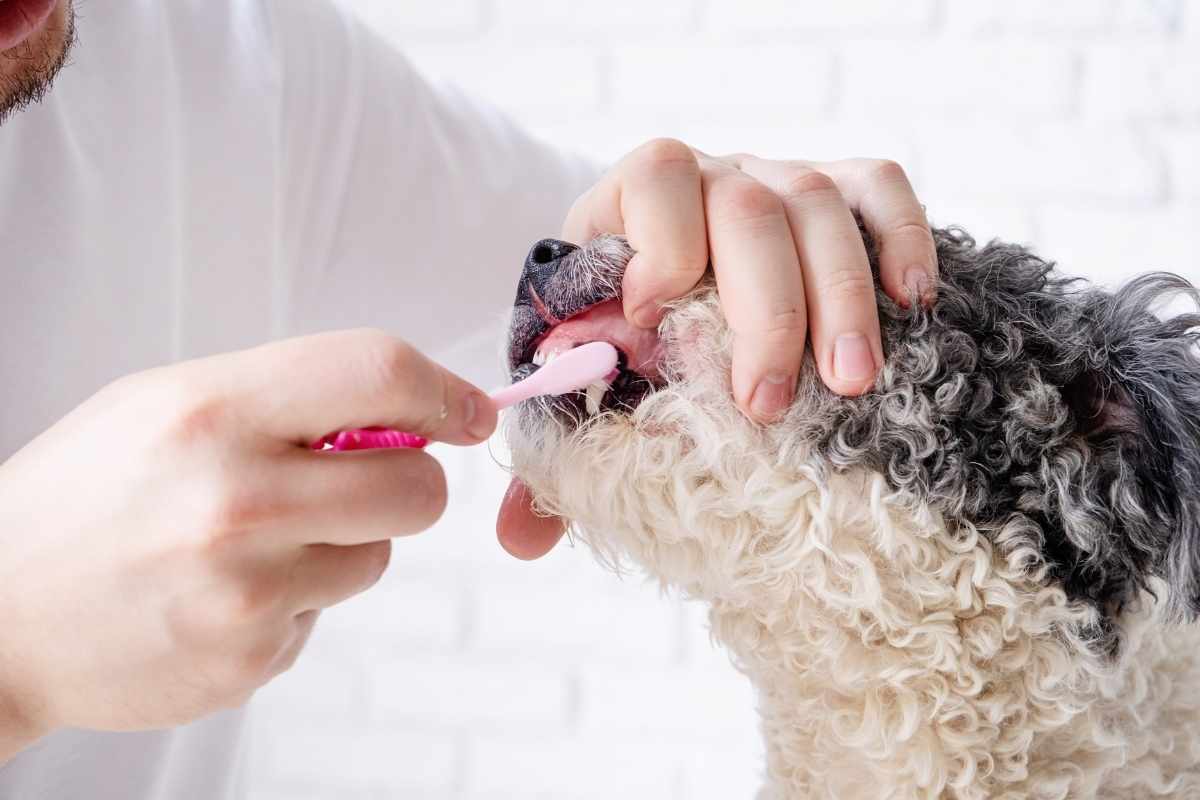
- Gently brush a few accessible teeth.
- Slowly increase brushing time as tolerance improves.
Keep each session brief and calm. Ending positively is more important than cleaning every tooth during early attempts.
Never use human toothpaste for your cat. Some ingredients in human products are unsuitable for pets.
Ask your veterinarian which toothpaste and toothbrush are appropriate for your cat.
Create a Predictable Dental Routine
Rescue cats often benefit from consistency because predictable routines can make their surroundings feel safer.
Choose a quiet area without dogs, children, loud televisions, or other distractions. Try dental care when your cat is already relaxed.
Using the same location can also create familiarity.
Keep early sessions short. Even touching the lips and teeth successfully can count as progress.
Follow each session with something your cat enjoys. That might include praise, gentle petting, playtime, or an appropriate treat.
Over time, your cat may begin associating the routine with a positive experience.
What If Your Rescue Cat Refuses Tooth Brushing?
Some cats tolerate brushing quickly. Others may strongly dislike having their mouths handled.
Do not force the process.
Forced restraint can increase fear and may make your cat more defensive during future attempts. Return to an earlier stage instead.
For example, spend several days practicing gentle cheek touching. Then progress toward lifting the lip again.
Your veterinarian can also discuss additional home dental options. These may include certain dental chews, dental diets, or water additives.
These products can support oral hygiene when appropriate. However, they do not automatically replace brushing or veterinary dental evaluations.
Watch for Signs That Your Cat Needs Veterinary Dental Care
Behavioral resistance does not always mean your cat simply dislikes brushing. Sometimes mouth handling hurts because an oral problem is already present.
Watch for changes such as:
- Persistent bad breath
- Yellow or brown tartar
- Red, swollen, or bleeding gums
- Difficulty chewing
- Dropping food while eating
- Pawing at the mouth or face
- Loose or missing teeth
- Reduced interest in food
- Sudden resistance to facial touching
Schedule a veterinary examination when you notice concerning changes.
Do not wait for your rescue cat to stop eating completely. Cats can hide discomfort, including dental pain.
Why Professional Dental Cleanings Still Matter
Home care can reduce plaque and support healthier teeth. However, home brushing cannot remove hardened tartar or thoroughly clean beneath the gumline.
Professional dental care addresses areas that owners cannot safely reach at home.
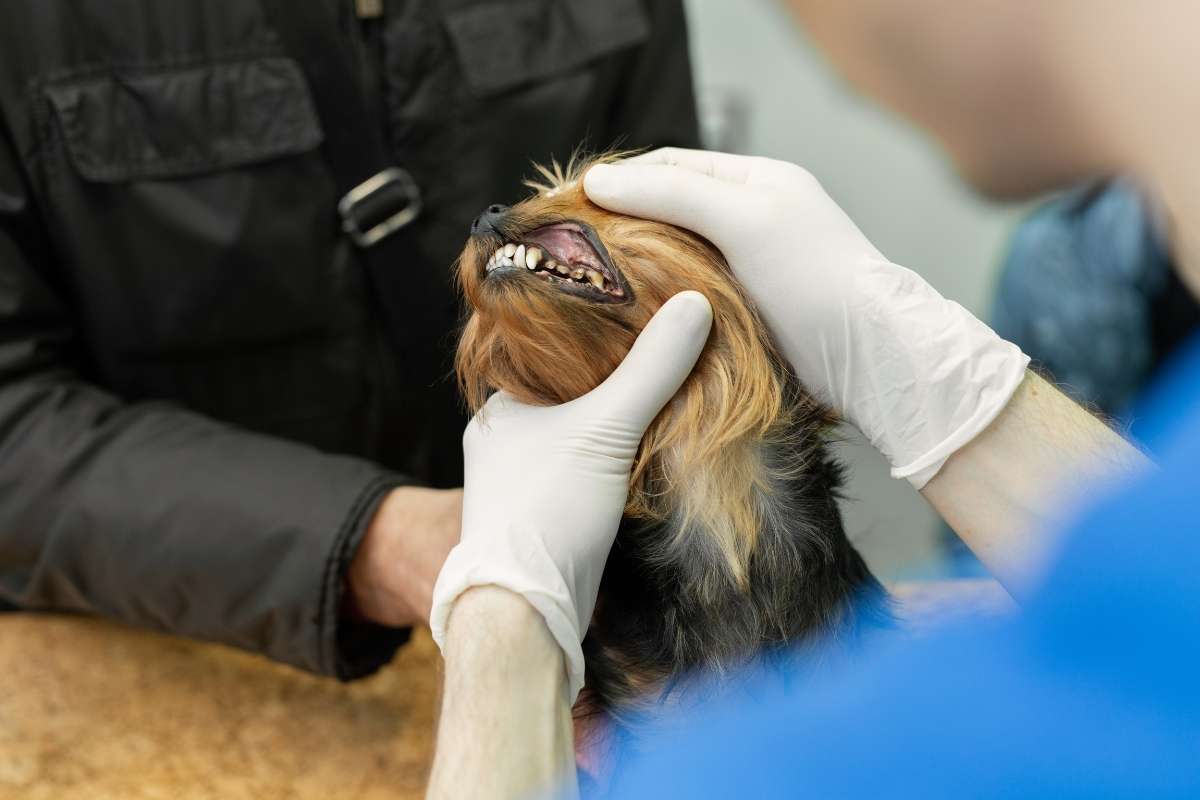
At our veterinary hospital, professional dental cleanings are performed under anesthesia. This approach allows the veterinary team to safely clean the entire tooth surface, including below the gumline.
Anesthesia also allows every tooth to receive a careful examination without causing unnecessary stress.
Your veterinarian can recommend an appropriate cleaning schedule based on your cat’s oral health, age, and individual needs.
Make Dental Care Part of Your Rescue Cat’s New Beginning
Adoption gives a rescue cat an opportunity to build a healthier, more secure life. Oral care can become part of that fresh start. The goal is not to create a perfect brushing routine overnight. Focus on gradual progress, positive interactions, and consistency.
A veterinary examination can also establish your cat’s current dental health. From there, you can create a realistic home routine. If you need help with cat dental care in Suffield or nearby areas, visit our veterinary hospital. Schedule your appointment with Suffield Veterinary Hospital to have your cat’s mouth evaluated and receive recommendations for appropriate next steps.
Frequently Asked Questions
Q1. How soon after adoption should I start brushing my rescue cat’s teeth?
Ans. Give your cat time to settle before introducing brushing. Begin with gentle face handling once your cat seems comfortable. Progress gradually toward touching the lips, teeth, and gums.
Q2. How often should I brush my cat’s teeth?
Ans. Daily brushing provides the strongest plaque-control routine when your cat tolerates it. Consistent brushing several times weekly may still help when daily brushing is difficult.
Q3. Can I use human toothpaste to brush my cat’s teeth?
Ans. No. Human toothpaste may contain ingredients that are inappropriate for cats. Use toothpaste specifically designed for pets and ask your veterinarian for suitable product recommendations.
Q4. What should I do if my rescue cat will not let me brush?
Ans. Stop before the experience becomes frightening. Return to gentle facial handling and gradually rebuild tolerance. Your veterinarian can recommend other appropriate home dental products.
Q5. Are dental treats enough to keep my rescue cat’s teeth healthy?
Ans. Dental products may support oral hygiene, but they should not replace veterinary evaluations. Your veterinarian can recommend products that complement brushing and professional dental care.
Q6. How can I tell whether my cat has dental disease?
Ans. Watch for bad breath, tartar, red gums, bleeding, chewing difficulties, dropped food, loose teeth, or mouth pawing. Cats may hide discomfort, so regular examinations remain important.
Q7. Does my cat still need professional cleanings if I brush regularly?
Ans. Yes, professional care may still be necessary. Brushing cannot remove hardened tartar or fully clean below the gumline. Your veterinarian can determine when professional cleaning is appropriate.

Trusted Pet Care & a Friendly Welcome for Every Pet
Call/Text: (860) 668-4041
