
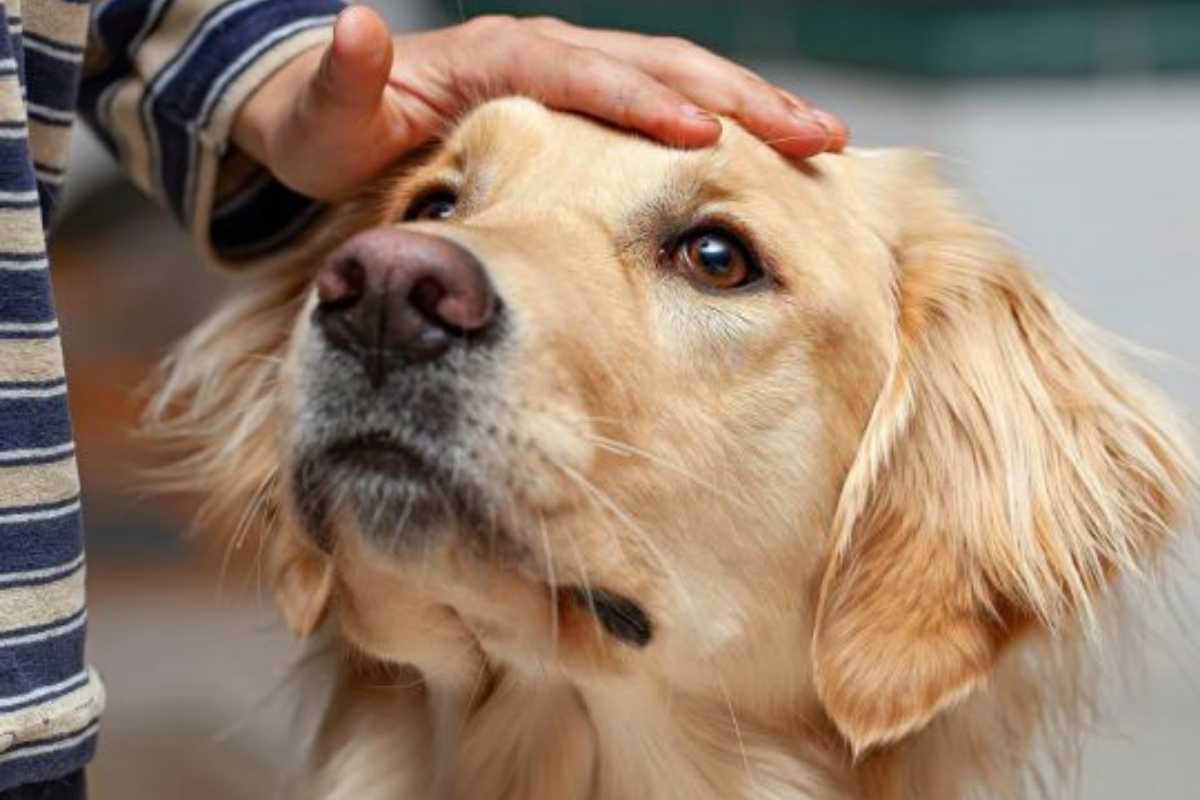
Spaying and neutering are common surgical procedures that can provide important health and population-control benefits for dogs and cats. Although these procedures are routinely performed, your pet still needs careful monitoring and appropriate aftercare while recovering from anesthesia and surgery. The first several days are especially important because excessive activity, licking, or poor incision care can interfere with healing.
For pet owners preparing for veterinary pet surgery, knowing what to expect after a spay or neuter can make the recovery process less stressful. Suffield Veterinary Hospital recommends following the discharge instructions provided by your veterinary team because recovery can vary based on your pet’s species, age, health, surgical procedure, and individual response to anesthesia. Your veterinarian’s instructions should always take priority over general online guidance.
What Happens After Spay or Neuter Surgery?
After surgery, your pet may be sleepy, quieter than usual, or slightly unsteady as the effects of anesthesia wear off. Some pets may have a reduced appetite during the first evening.
Your veterinary team should provide specific discharge instructions covering medications, feeding, activity restrictions, incision monitoring, and follow-up care.
Recovery generally involves several important goals:
- Protecting the surgical incision
- Preventing excessive physical activity
- Preventing licking or chewing
- Giving medications exactly as prescribed
- Monitoring appetite, water intake, urination, and behavior
- Watching for signs of complications
- Keeping follow-up appointments
Your pet may appear much better before the incision has completely healed, so normal energy levels do not necessarily mean your pet is ready to resume unrestricted activity.
1. Keep Your Pet Quiet After Surgery
One of the most important recovery steps is restricting activity.
Running, jumping, rough play, climbing stairs, and wrestling with other pets can place stress on the surgical site. Excessive movement may cause swelling, discomfort, bleeding, or disruption of the incision.
For the recovery period recommended by your veterinarian:
- Keep your pet indoors and supervised
- Use a leash for necessary bathroom breaks
- Prevent running and jumping
- Avoid rough play
- Separate your pet from overly active animals
- Keep your pet away from situations that encourage sudden movement
A crate, small room, or quiet area may be useful when appropriate, especially when you cannot directly supervise your pet.
2. Create a Comfortable Recovery Area
Your pet should have a quiet, clean, comfortable place to rest.
Choose an area away from excessive household activity, young children, and other pets that may encourage play. Provide comfortable bedding and make food and water easily accessible.
For cats, make sure the litter box is easy to access. If your veterinarian recommends a specific type of litter during recovery, follow those instructions.
Avoid placing your pet in areas where jumping onto furniture is likely.
A calm recovery environment can help your pet rest while reducing opportunities for accidental injury.
3. Prevent Licking and Chewing
Dogs and cats naturally lick areas that feel uncomfortable, but licking the surgical incision can interfere with healing.
Excessive licking may introduce bacteria, irritate the tissue, remove sutures, or cause the incision to open.
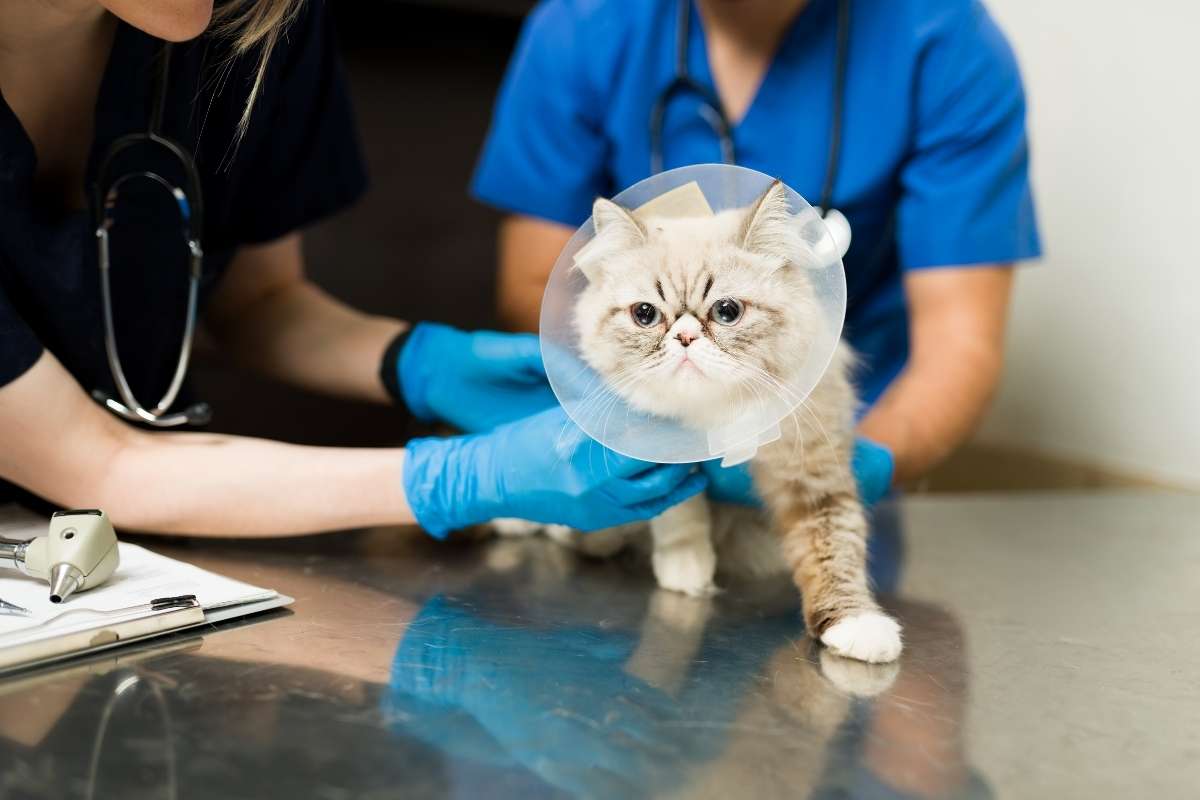
Your veterinarian may recommend an Elizabethan collar, recovery suit, or another protective option.
If your pet strongly objects to a protective device, do not simply remove it without consulting your veterinary team. Ask whether another option may be appropriate.
4. Check the Incision Every Day
Inspect the surgical site regularly so you can notice changes early.
A healing incision may have mild redness or swelling immediately after surgery, depending on the procedure. However, the appearance should generally improve rather than progressively worsen.
Look for:
- Increasing redness
- Significant swelling
- Active bleeding
- Discharge
- Foul odor
- Separation of the incision
- Excessive warmth
- Persistent licking
- New or worsening pain
Take a photograph of the incision when your pet returns home if your veterinary team recommends monitoring it. A daily photo can make it easier to compare changes over time.
Do not apply creams, ointments, disinfectants, or other products to the incision unless your veterinarian specifically instructs you to do so.
5. Give Medications Exactly as Prescribed
Your veterinarian may prescribe pain medication or other medications depending on the procedure and your pet’s individual needs.
Follow the prescribed dose, timing, and duration carefully.
Never give your pet human pain medication unless a veterinarian has specifically instructed you to do so. Some medications that are safe for people can be dangerous or toxic to dogs and cats.
If your pet vomits after receiving medication, refuses medication, or you are uncertain about the instructions, contact the veterinary team before changing the dose or schedule.
6. Follow Feeding Instructions
Your pet may not have its normal appetite immediately after anesthesia.
Unless your veterinary team provides different instructions, offer food according to the discharge recommendations. Some pets may do better with a smaller meal initially.
Monitor both food and water intake.
Contact your veterinarian if your pet refuses food for an extended period, repeatedly vomits, cannot keep water down, or develops other concerning symptoms.
Puppies, kittens, small pets, and animals with underlying health conditions may have different nutritional and monitoring needs, so individualized instructions are particularly important.
7. Limit Exercise During Recovery
Even if your pet seems energetic, continue following the activity restrictions recommended by your veterinarian.
A dog may feel ready to run or play before the tissues have fully healed. Cats may attempt to jump onto furniture or climb.
For dogs, controlled leash walks for bathroom needs may be appropriate when permitted.
For cats, restrict access to high surfaces and encourage quiet activity.
Gradually returning to normal exercise should happen only when your veterinary team determines that the surgical site has healed sufficiently.
8. Keep the Incision Dry and Clean
Follow your veterinarian’s instructions regarding bathing and grooming after surgery.
In many cases, pets should not be bathed or allowed to swim while the incision is healing unless the veterinary team gives specific approval.
Moisture can affect the surgical site and may increase the risk of irritation or infection.
If the incision becomes dirty or wet, contact your veterinary team for instructions rather than applying household cleaning products.
9. Monitor Your Pet’s Behavior
Behavior can provide useful clues during recovery.
Some temporary changes may occur after anesthesia and surgery. Your pet may sleep more, appear quieter, or have less interest in food initially.
However, significant or worsening changes should not be ignored.
Monitor:
- Energy level
- Appetite
- Water consumption
- Urination
- Bowel movements
- Comfort
- Breathing
- Ability to walk
- Interaction with family members
- Interest in normal activities
You know your pet’s normal behavior better than anyone. If something seems significantly different or continues to worsen, contact your veterinarian.
10. Watch for Signs of Complications
Most pets recover uneventfully, but complications can occur.
Contact your veterinarian if you notice:
- Increasing incision swelling
- Persistent or heavy bleeding
- Pus-like or foul-smelling discharge
- Opening of the incision
- Severe or worsening pain
- Repeated vomiting
- Significant lethargy
- Difficulty breathing
- Pale gums
- Collapse
- Persistent refusal to eat
- Difficulty urinating
- Any sudden or concerning change
Severe breathing difficulty, collapse, uncontrolled bleeding, or other life-threatening symptoms require immediate veterinary attention.
If you are uncertain whether a symptom is normal, it is safer to contact your veterinary team for guidance.
How Long Does Spay or Neuter Recovery Take?
Recovery time varies between individual pets and procedures.
Many dogs and cats begin acting more like themselves within a few days, but the surgical tissues may need additional time to heal. Your veterinarian will determine when your pet can safely return to normal activity.
Factors that can influence recovery include:
- Age
- Species
- Overall health
- Type of procedure
- Surgical technique
- Activity level
- Incision healing
- Individual response to anesthesia
Do not use your pet’s energy level alone to decide when activity restrictions can end.
What Should You Do If Your Pet Won’t Wear a Cone?
Some pets strongly dislike Elizabethan collars, but preventing access to the incision is important.
If your pet struggles with the cone, ask your veterinary team whether a properly fitted recovery suit or another protective device may be suitable.
Do not modify or remove protective equipment without professional guidance if doing so would allow your pet to lick or chew the surgical site.
Your pet may need a short adjustment period. Providing food and water in appropriately positioned bowls can sometimes make wearing the device easier.
What About Other Pets During Recovery?
Other pets may not understand that the recovering animal needs rest.
Playful dogs may encourage running, while cats may chase or groom each other. Some animals may also react differently to a pet returning from the hospital because of unfamiliar smells.
For safety, keep recovering pets separated when necessary.
Supervised, calm interaction may be possible later, but follow the activity restrictions provided by your veterinary team.
When Should You Schedule a Follow-Up Visit?
Your veterinarian may recommend a postoperative examination to evaluate healing.
Follow-up may be particularly important if:
- Sutures need to be removed
- The incision requires monitoring
- Your pet has an underlying health condition
- There were complications during or after surgery
- Your pet is showing unexpected symptoms
Even if your pet appears healthy, attend recommended follow-up appointments unless your veterinary team advises otherwise.
How Pet Owners Can Make Recovery Easier
Preparation before surgery can make the recovery period smoother.
Before bringing your pet home, consider setting up:
- A quiet recovery area
- Clean bedding
- Food and water within easy reach
- A leash for controlled bathroom breaks
- An appropriate protective collar or recovery garment
- Prescribed medications
- Your veterinary team’s contact information
It can also help to arrange your schedule so someone can monitor your pet during the early recovery period, particularly during the first day after surgery.
Spay and neuter surgery is common, but proper aftercare remains essential for safe recovery. Keeping your pet calm, preventing licking, monitoring the incision, administering prescribed medications correctly, following feeding instructions, and restricting activity can help support healing.
Most importantly, follow the specific discharge instructions provided by your veterinary team. Your pet’s recovery needs can vary based on the procedure, age, health status, and individual response to surgery. When something does not seem right, contacting your veterinarian is better than waiting for symptoms to worsen.
If you are in Suffield, CT, and need guidance from a vet near you before or after your pet’s surgery, contact Suffield Veterinary Hospital. Our team can help you understand postoperative instructions, monitor recovery, and address concerns about your pet’s healing.
Frequently Asked Questions
Q1. How long should my dog or cat rest after spay or neuter surgery?
Ans: The recommended rest period depends on the procedure and your pet’s individual recovery. Even if your pet feels energetic after a few days, activity restrictions should continue for the period recommended by your veterinarian to allow adequate tissue healing.
Q2. Can my pet lick the incision after surgery?
Ans: No. Licking and chewing can irritate the incision, introduce bacteria, damage sutures, or cause the wound to open. Use the protective device recommended by your veterinary team and contact them if your pet repeatedly attempts to reach the surgical site.
Q3. Is some swelling normal after spay or neuter surgery?
Ans: Mild swelling can occur after surgery, but increasing, significant, painful, or rapidly developing swelling should be evaluated by a veterinarian. Monitor the incision regularly and contact your veterinary team if its appearance is worsening rather than improving.
Q4. When can my pet run and play after surgery?
Ans: Your pet should return to unrestricted activity only when your veterinarian determines that healing is adequate. Running and jumping too early can place stress on the surgical site, even if your pet appears to feel normal.
Q5. What should I do if my pet will not eat after surgery?
Ans: Some pets may have a temporarily reduced appetite after anesthesia. Follow the feeding instructions provided by your veterinary team. Contact your veterinarian if your pet refuses food for an extended period, repeatedly vomits, cannot keep water down, or develops other concerning symptoms.
Q6. What are warning signs after spay or neuter surgery?
Ans: Warning signs include worsening swelling, persistent bleeding, discharge, foul odor, incision separation, severe pain, repeated vomiting, significant lethargy, difficulty breathing, collapse, or difficulty urinating. Contact your veterinarian promptly if you notice these symptoms.
Trusted Pet Care & a Friendly Welcome for Every Pet
Call/Text: (860) 668-4041
