
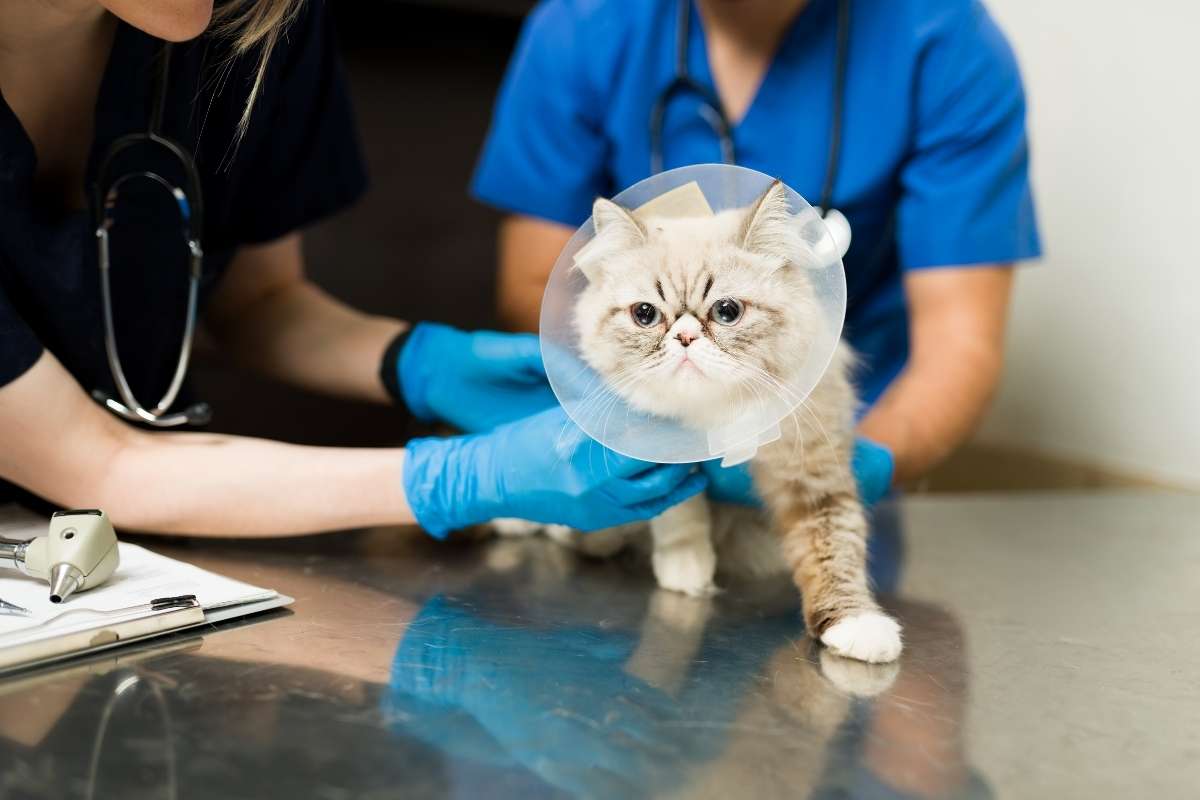
Learning that your dog or cat needs surgery can feel stressful, even when the procedure is routine. Fortunately, proper preparation can help reduce anxiety, improve safety, and support a smoother recovery for your pet.
This guide covers a vet-recommended pre-surgery checklist for dogs and cats, including fasting instructions, medication considerations, transportation planning, and recovery preparation. Understanding what to do before surgery can help ensure the best possible experience for both you and your pet.
Why Pre-Surgery Preparation Is Important
Preparing for surgery involves more than simply arriving at the clinic on the scheduled day.
Proper preparation helps:
- Improve anesthesia safety
- Reduce surgical risks
- Prevent delays or cancellations
- Support a smoother recovery
- Ensure your pet is comfortable and ready for the procedure
Following your veterinary team’s instructions is one of the most important steps you can take.
Confirm Your Surgery Appointment Details
Several days before surgery, review all instructions provided by your veterinary team.
Be sure you understand:
- Arrival time
- Drop-off procedures
- Fasting requirements
- Medication guidelines
- Expected pickup time
If you have any questions, contact the clinic before the day of surgery.
Follow Fasting Instructions Carefully
Fasting is often required before anesthesia.
Food remaining in the stomach can increase the risk of complications during the procedure.
Most pets are instructed to:
- Stop eating the night before surgery
- Avoid treats and table scraps
- Continue water access unless instructed otherwise
Always follow the specific fasting guidelines provided for your pet.
Review All Medications and Supplements
Tell your veterinary team about everything your pet is currently receiving.
This includes:
- Prescription medications
- Over-the-counter products
- Vitamins
- Supplements
- Herbal remedies
Some medications may need to be adjusted before surgery, while others should continue as normal.
Complete Recommended Pre-Surgical Testing
Pre-surgical testing helps identify underlying health conditions that could affect anesthesia or recovery.
Depending on your pet’s age and health status, testing may include:
- Blood work
- Urinalysis
- Imaging studies
- Additional diagnostics
These evaluations provide valuable information about your pet’s overall health.
Keep Your Pet Healthy Before Surgery
In the days leading up to surgery, monitor your pet closely.
Notify your veterinary team if you notice:
- Vomiting
- Diarrhea
- Coughing
- Sneezing
- Loss of appetite
- Lethargy
Even mild symptoms may affect surgical planning.
Avoid Major Changes to Routine
Maintaining a familiar routine can help reduce stress.
Try to:
- Keep feeding schedules consistent
- Maintain normal exercise levels if permitted
- Avoid introducing new foods
- Limit stressful situations
A calm and comfortable pet is often better prepared for surgery.
Plan Safe Transportation
Safe transportation is an important part of surgery day preparation.
For dogs:
- Use a secure leash and harness
For cats:
- Use a sturdy carrier
- Include a familiar blanket if desired
Secure transportation helps reduce anxiety and prevent injuries.
Give Your Pet a Bathroom Break Before Arrival
Allow your dog plenty of time to relieve themselves before heading to the clinic.
For cats, ensure a litter box before leaving home.
This simple step can help improve comfort during the admission process.
Prepare Your Home for Recovery
Setting up a recovery area before surgery makes postoperative care easier.
Consider preparing:
- Soft bedding
- A quiet resting area
- Easy access to food and water
- Restricted activity spaces
Having everything ready ahead of time helps you focus on your pet’s recovery.
Ask Questions Before Surgery
Do not hesitate to discuss concerns with your veterinary team.
Helpful topics may include:
- Procedure details
- Pain management plans
- Recovery expectations
- Activity restrictions
- Follow-up appointments
Understanding the process can help you feel more confident and prepared.
Understand the Importance of Anesthesia Monitoring
Modern anesthesia protocols are designed to maximize safety throughout the procedure.
Monitoring often includes:
- Heart rate
- Oxygen levels
- Blood pressure
- Breathing patterns
- Body temperature
A qualified veterinarian will carefully review your pet’s health history and diagnostic results before surgery to help ensure the safest possible anesthetic plan.
Common Mistakes to Avoid Before Pet Surgery
Avoid these common pre-surgery errors:
- Feeding your pet after fasting begins
- Forgetting to disclose medications
- Missing recommended testing
- Arriving late for admission
- Ignoring post-operative instructions before the procedure
Careful preparation can help prevent unnecessary complications.
What to Expect on Surgery Day
Although every procedure is different, most surgery appointments follow a similar process.
Typically, your pet will:
- Receive a pre-surgical examination
- Undergo anesthesia preparation
- Have the procedure performed
- Be monitored during recovery
- Return home with detailed care instructions
Your veterinary team will discuss next steps before discharge.
Preparation Today Supports a Better Recovery Tomorrow
Preparing your dog or cat for surgery is one of the best ways to support a safe procedure and smooth recovery. Following fasting instructions, completing recommended tests, reviewing medications, and preparing your home in advance can help reduce stress and improve your pet’s overall surgical experience.
For professional pet surgery and pre-operative care services in Suffield, contact Suffield Veterinary Hospital to schedule a visit today. Our experienced team is committed to providing compassionate surgical care and guiding you through every step of the process.
FAQs
Q1: How long should my pet fast before surgery?
Ans. Fasting requirements vary based on the procedure and your pet’s age, but many pets are asked to stop eating the night before surgery. Always follow your veterinary team’s instructions.
Q2: Can my pet drink water before surgery?
Ans. Many pets can continue drinking water until a specified time before surgery, but recommendations may vary. Confirm instructions with your veterinary provider.
Q3: Why is pre-surgical blood work important?
Ans. Blood work helps identify health concerns that could affect anesthesia safety and surgical planning.
Q4: Should I give my pet medications on the morning of surgery?
Ans. Some medications should be continued, while others may need to be withheld. Follow the guidance provided by your veterinary team.
Q5: How can I help my pet stay calm before surgery?
Ans. Maintaining a normal routine, avoiding stressful situations, and using safe transportation can help reduce anxiety before the procedure.
Trusted Pet Care & a Friendly Welcome for Every Pet
Call/Text: (860) 668-4041
