
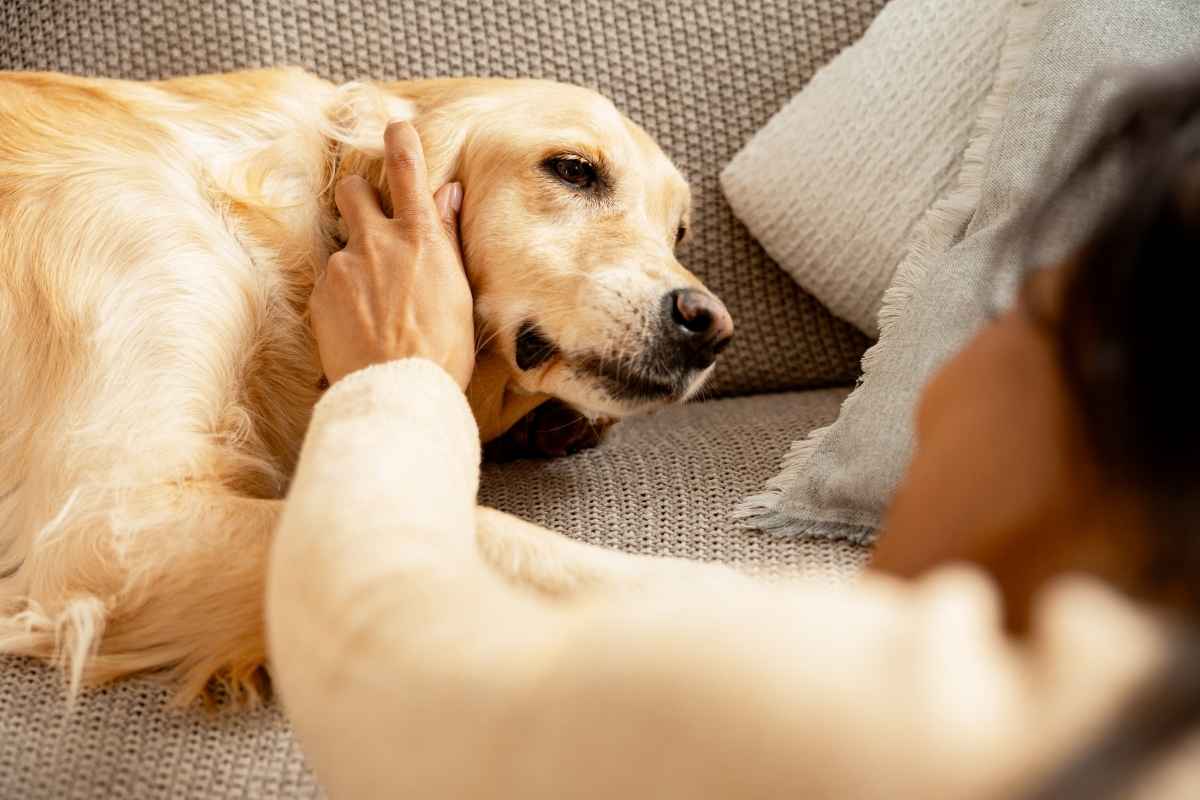
Watching a dog grow older is a meaningful experience filled with years of companionship, loyalty, and shared memories. However, as dogs enter their senior years, pet owners may notice changes in mobility, behavior, appetite, and daily routines. While some changes are a natural part of aging, others may indicate that a dog’s quality of life is declining and additional support is needed.
Senior dogs often experience gradual changes rather than sudden differences. Because these changes can happen slowly, it may be difficult for owners to recognize when their pet is struggling. Paying close attention to your dog’s habits and comfort level can help you identify concerns early and make thoughtful decisions about their care.
Providing proper senior pet care involves more than managing age-related conditions. It also means evaluating your dog’s happiness, comfort, independence, and ability to enjoy daily activities. Regular veterinary guidance can help you understand what changes are expected with aging and which signs may require additional attention.
This guide explains common indicators of declining quality of life in senior dogs, what pet owners should monitor, and how to support an aging companion with compassion and care.
Understanding Quality of Life in Senior Dogs
A dog’s quality of life refers to their overall physical comfort, emotional well-being, and ability to participate in activities they enjoy. Aging itself is not a disease, but older dogs may develop health concerns that affect their daily experiences.
A good quality of life often includes:
- Comfortable movement
- Interest in food and activities
- Ability to rest peacefully
- Positive interactions with family members
- Freedom from ongoing discomfort
- Maintaining normal behaviors
Every dog ages differently. Some senior dogs remain active for many years, while others experience challenges earlier due to genetics, health conditions, or lifestyle factors.
Common Signs Your Senior Dog May Be Struggling
Recognizing changes early allows you to seek guidance and make adjustments that improve your dog’s comfort.
Changes in Mobility and Movement
Mobility changes are among the most noticeable signs of aging in dogs.
You may observe:
- Difficulty standing up
- Slower walking pace
- Trouble climbing stairs
- Reluctance to jump onto furniture
- Stiffness after resting
- Increased slipping on floors
These changes may occur due to joint problems, muscle loss, or other age-related conditions.
Although reduced activity can happen naturally with age, a significant decrease in movement may indicate that your dog is experiencing discomfort.
Decreased Interest in Favorite Activities
Senior dogs may naturally become less energetic, but losing interest in activities they once enjoyed can be a concern.
Watch for changes such as:
- No longer greeting family members
- Avoiding playtime
- Less interest in walks
- Spending most of the day isolated
- Reduced interaction with other pets
A dog that stops participating in enjoyable activities may need additional evaluation.
Changes in Appetite or Eating Habits
Food is an important part of a dog’s daily happiness. Changes in eating habits may indicate health problems or discomfort.
Signs to monitor include:
- Eating less than usual
- Refusing favorite foods
- Difficulty chewing
- Weight loss
- Sudden changes in appetite
Dental issues, digestive concerns, and other health conditions may affect how comfortable a dog feels while eating.
Increased Pain or Discomfort
Dogs often hide pain, especially chronic discomfort. However, subtle changes may indicate that your senior dog is struggling.
Possible signs include:
- Whining or vocalizing
- Restlessness
- Difficulty getting comfortable
- Avoiding touch
- Changes in sleeping patterns
- Licking certain areas repeatedly
Pain management options and supportive care can help improve comfort for many senior dogs.
Changes in Bathroom Habits
House-trained dogs may begin having accidents indoors as they age.
Possible reasons include:
- Reduced mobility
- Cognitive changes
- Urinary problems
- Kidney-related concerns
- Difficulty reaching outdoor areas
Any sudden change in bathroom habits should be discussed with a veterinarian.
Behavioral and Personality Changes
Aging can affect a dog’s behavior and mental awareness.
Some senior dogs may experience:
- Confusion
- Increased anxiety
- Restlessness at night
- Less recognition of familiar people
- Changes in sleep patterns
Behavior changes should not automatically be considered a normal part of aging because some conditions may be manageable with proper care.
The Importance of Monitoring Your Senior Dog’s Daily Life
Keeping track of your dog’s daily habits can help identify gradual changes.
Consider monitoring:
- Appetite
- Water intake
- Activity level
- Sleeping habits
- Bathroom patterns
- Social interaction
- Comfort during movement
A simple journal can help you notice patterns and provide useful information during veterinary visits.
How Veterinary Support Helps Aging Dogs
Veterinary care plays an important role in helping senior dogs maintain comfort and independence.
A veterinarian may evaluate:
- Mobility
- Weight changes
- Dental health
- Organ function
- Pain levels
- Behavioral changes
Regular checkups allow concerns to be identified earlier and help create a care plan based on your dog’s individual needs.
Making Your Senior Dog More Comfortable at Home
Small changes around the home can improve your dog’s daily experience.
Helpful adjustments include:
Provide Comfortable Bedding
Supportive bedding can reduce pressure on joints and help older dogs rest more comfortably.
Improve Accessibility
Consider:
- Ramps for difficult areas
- Non-slip flooring
- Easy access to food and water
Maintain Gentle Exercise
Movement helps support muscle strength and mobility. However, exercise should match your dog’s abilities and comfort level.
Keep a Consistent Routine
Older dogs often benefit from predictable schedules for:
- Feeding
- Walking
- Resting
- Medication
Consistency can reduce stress and support emotional well-being.
Quality of Life Assessment: Questions to Ask Yourself
Many pet owners struggle with understanding when their dog needs additional support. Asking yourself these questions can provide perspective:
- Does my dog still enjoy favorite activities?
- Does my dog have more comfortable days than difficult days?
- Can my dog eat, drink, and rest comfortably?
- Does my dog interact with family members?
- Can my dog move around without significant distress?
Quality of life is not measured by age alone. It depends on your dog’s comfort, happiness, and ability to experience enjoyable moments.
Supporting Your Dog Through Their Senior Years
Aging is a natural process, and many senior dogs continue to enjoy meaningful years with proper support.
Thoughtful senior pet care focuses on maintaining comfort, preserving dignity, and helping dogs continue to experience positive moments with their families.
Support may include:
- Adjusting nutrition
- Managing discomfort
- Modifying exercise routines
- Providing mental stimulation
- Monitoring health changes
Every dog’s needs are unique, so care decisions should be based on individual health and lifestyle factors.
When Should You Contact a Veterinarian?
Contact a veterinary professional if you notice:
- Sudden behavior changes
- Loss of appetite
- Difficulty breathing
- Significant weight changes
- Trouble walking
- Signs of ongoing discomfort
- Major changes in daily habits
Early guidance can help identify potential problems and provide options to improve your dog’s comfort.
Recognizing changes in your senior dog’s quality of life is an important part of responsible pet ownership. While aging brings natural changes, ongoing discomfort, reduced activity, and major behavior shifts should not be ignored. By monitoring daily habits, providing supportive care, and working with a veterinary professional, you can help your dog enjoy a comfortable and meaningful life during their senior years. If you have concerns about your aging dog’s health or comfort, schedule your appointment with your veterinarian for personalized guidance and support.
Frequently Asked Questions
Q1. What are the first signs that a senior dog’s quality of life is declining?
Ans: Early signs may include reduced activity, changes in appetite, difficulty moving, increased sleeping, withdrawal from family interactions, and changes in normal behaviors.
Q2. Is slowing down a normal part of aging for dogs?
Ans: Some slowing down is normal as dogs age. However, sudden or significant changes in mobility, comfort, or behavior may indicate an underlying health concern.
Q3. How can I make my senior dog more comfortable at home?
Ans: Comfortable bedding, easier access to food and water, gentle exercise, consistent routines, and veterinary guidance can help improve a senior dog’s daily comfort.
Q4. How do I know if my dog is in pain?
Ans: Signs of pain may include difficulty getting up, avoiding movement, changes in sleep, reduced appetite, excessive licking, or changes in behavior.
Q5. How often should senior dogs see a veterinarian?
Ans: Senior dogs often benefit from regular veterinary visits to monitor health changes, detect concerns early, and adjust care plans as needed.
Q6. When should I consider discussing my senior dog’s quality of life with a veterinarian?
Ans: If your dog shows ongoing discomfort, loses interest in daily activities, struggles with basic functions, or has more difficult days than comfortable ones, discussing their quality of life with a veterinarian can provide helpful guidance.

Trusted Pet Care & a Friendly Welcome for Every Pet
Call/Text: (860) 668-4041
