
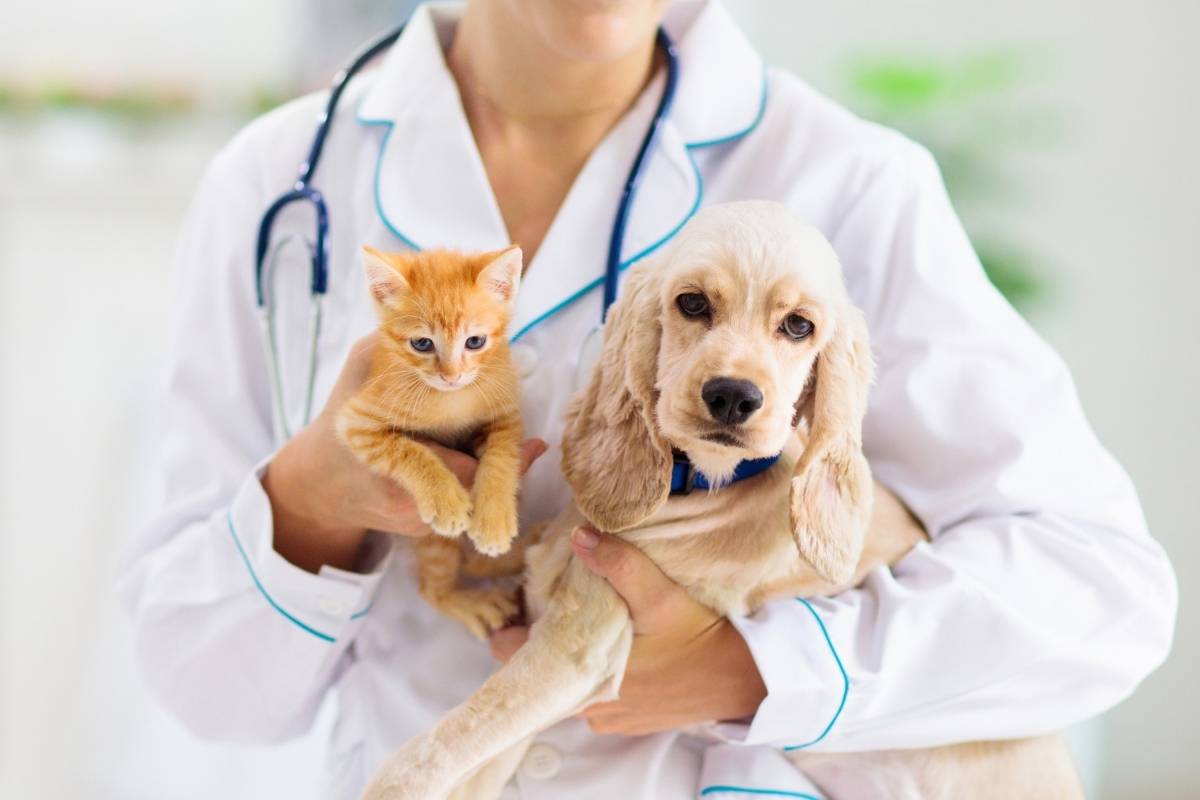
Summer is almost here – and while longer days and warmer weather are great news for backyard adventures and trail walks, the season also brings a fresh wave of health risks for your pet. Fleas, ticks, heat exhaustion, allergies, and waterborne parasites don’t take vacations.
The good news? Most of them are entirely preventable with a little planning. Here’s your complete summer preventive wellness checklist, and why a wellness visit this time of year is one of the smartest things you can do for your dog or cat.
Why Summer Is Prime Time for Preventive Care
Veterinarians consistently see a spike in avoidable conditions between May and September. Tick-transmitted illnesses, flea infestations, heat stroke, and intestinal parasites from lakes and puddles are among the most common — and most costly — summer health events for pets.
Preventive care doesn’t just keep your pet healthier. It saves you money. Treating a Lyme disease infection or a severe flea infestation runs significantly higher than the cost of routine prevention. A summer wellness visit lets your veterinarian catch issues early, update any lapsed preventives, and give your pet a clean bill of health before the busy season kicks in.
Your Summer Pet Wellness Checklist
✔ 1. Parasite Prevention — Fleas, Ticks & Heartworm
This is the big one. Flea and tick populations explode in warm, humid months, and heartworm-carrying mosquitoes are active all summer long.
What to confirm before summer:
- Is your pet’s flea and tick prevention current and the correct product for their weight?
- Are they on a year-round heartworm preventive?
- Has your dog had their annual heartworm test? (Required before restarting prevention if they’ve lapsed.)
- If your cat goes outdoors, are they on a flea and tick protocol too?
Many pet owners assume their indoor pets are safe — but fleas hitch rides on shoes and clothing, and even “indoor only” cats can be exposed. Talk to your vet about the right preventive for your pet’s actual lifestyle.
✔ 2. Vaccines — Review What’s Due
Core vaccines protect against serious, often fatal diseases. Some boosters fall due in summer, and if your pet visits dog parks, boarding facilities, groomers, or dog-friendly beaches this season, their vaccination status matters more than ever.
Your veterinarian will pull your pet’s history and let you know exactly what’s due. Don’t guess — an out-of-date vaccine can mean a rejected boarding reservation or, worse, a preventable illness.
✔ 3. A Full Physical Exam
Annual wellness exams are the cornerstone of preventive care — and summer is a natural time to get them done before your schedule fills up with travel and activities.
During a wellness exam, your vet will:
- Check weight, heart, lungs, teeth, eyes, ears, and skin
- Palpate the abdomen for any unusual lumps or discomfort
- Assess joint health and mobility (important for senior pets heading into higher-activity months)
- Run bloodwork if recommended for your pet’s age or health history
- Screen for intestinal parasites with a fecal test
A fecal exam deserves special mention in summer. Giardia, roundworms, and hookworms are more common in pets that swim in natural water sources or spend time in parks. These parasites are transmissible to humans, so catching and treating them is important for your whole family.
✔ 4. Heat Safety — Know Your Pet’s Risk
Heat stroke is a genuine veterinary emergency, and it can happen faster than most people expect — especially in brachycephalic breeds (bulldogs, pugs, French bulldogs, Persian cats) and senior or overweight pets.
Preventive steps:
- Never leave your pet in a parked car, even with windows cracked
- Avoid walks on asphalt midday; pavement can burn paw pads
- Provide constant access to fresh water and shade
- Know the early signs of heat exhaustion
If your dog is a brachycephalic breed, ask your vet about heat tolerance and activity limits. Some of these dogs have structural airway issues that may require medical or surgical attention.
✔ 5. Allergy Check-In
Spring and summer are peak allergy seasons for pets. Environmental allergens like pollen, grass, and mold spores can trigger itching, skin inflammation, and ear infections.
Discuss during your visit:
- Skin and coat condition
- Ear health
- Paw licking or chewing
- Treatment options such as medicated shampoos or prescription medications
Addressing allergies early in the season helps prevent more severe flare-ups later.
✔ 6. Microchipping and ID Tags
Summer increases the risk of pets getting lost due to travel, open doors, and fireworks.
Before summer:
- Confirm microchip registration
- Update contact information
- Check ID tags for readability
A microchip only works if the registration is current.
A Note for Senior Pets
Older pets face higher summer risks, including heat sensitivity, joint pain, and chronic conditions that require monitoring. For pets 7 years or older, ask your veterinarian about senior wellness screening to detect early signs of disease before they progress.
Schedule Your Summer Wellness Visit
Preventive care is one of the most effective ways to protect your pet year-round. A summer wellness visit ensures your pet stays healthy, protected, and ready for the season ahead.
Suffield Veterinary Hospital is available for summer wellness appointments for both new and returning patients. Contact the clinic to schedule your visit and keep your pet protected this summer..


Trusted Pet Care & a Friendly Welcome for Every Pet
Call/Text: (860) 668-4041
