
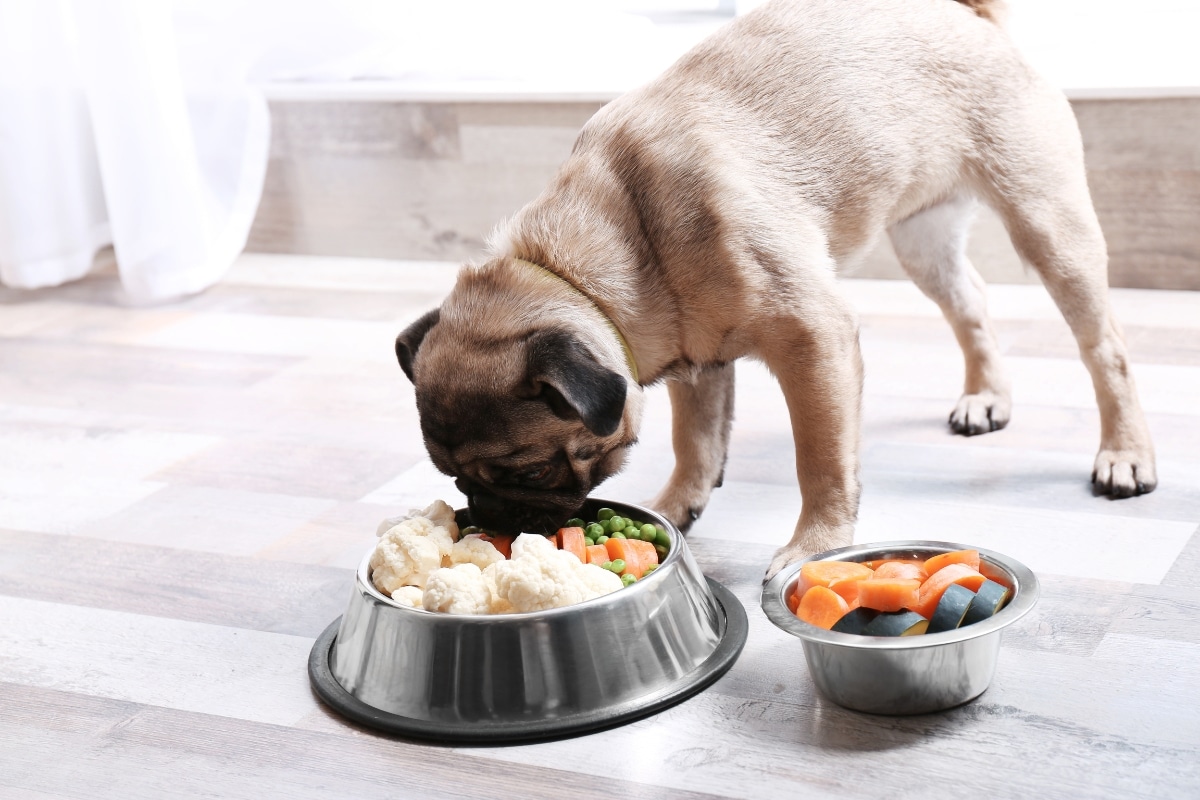
Good nutrition plays an important role in helping pets grow, maintain a healthy body condition, and age comfortably. However, dogs and cats do not have the same nutritional needs throughout their lives. Puppies and kittens need nutrient-rich food to support development, while adult pets need balanced nutrition for maintenance. Senior pets may require dietary adjustments based on changes in metabolism, activity, muscle mass, and health.
Choosing the right food involves more than looking at an age label. Species, breed, size, activity level, lifestyle, body condition, and health history can all influence what a pet should eat. In addition, feeding requirements can change as a pet grows or develops a medical condition. Understanding these differences can help owners make informed decisions about everyday nutrition.
Why Pet Nutrition Changes With Age
A pet’s nutritional requirements change because its body changes over time. Growing animals use nutrients to develop bones, muscles, organs, and other tissues. Adult pets primarily need nutrients that help maintain those systems. Meanwhile, older pets may experience changes in energy expenditure, digestion, muscle condition, or appetite.
For this reason, routine visits to a veterinary hospital can be valuable when assessing a pet’s nutritional needs. A veterinarian can evaluate body condition, weight, lifestyle, and overall health before recommending changes to food or feeding amounts.
Nutrition for Puppies
Puppies experience rapid physical development, so their food needs to provide adequate calories and essential nutrients. A complete and balanced puppy diet should contain appropriate amounts of protein, fat, vitamins, minerals, and other nutrients needed for healthy growth.
Puppies typically eat several smaller meals throughout the day. However, feeding frequency changes as they mature.
Large-Breed Puppy Nutrition
Large-breed puppies need special consideration because rapid growth can place additional stress on developing bones and joints. Overfeeding can contribute to excessive growth and unwanted weight gain.
A food formulated specifically for large-breed puppies may be appropriate when recommended by a veterinary professional. Portion control remains important even when the food is nutritionally balanced.
Nutrition for Kittens
Kittens also have high nutritional demands because they grow quickly during their first year. Their food should be formulated specifically for kittens and provide appropriate protein, fat, calories, vitamins, and minerals.
Unlike dogs, cats have unique nutritional requirements because they are obligate carnivores. Therefore, kittens should receive a complete and balanced feline diet rather than food designed for another species.
Fresh water should remain available at all times. Wet food can also contribute to overall fluid intake for cats that do not drink much water independently.
Feeding Adult Dogs and Cats
Once pets reach adulthood, their nutritional priorities shift from growth to maintenance. Adult diets should provide sufficient nutrients without consistently supplying more calories than the pet requires.
However, calorie needs vary significantly between individual animals. A highly active dog may require more energy than a sedentary dog of the same size. Similarly, an indoor cat may have different requirements from an active outdoor cat.
An appropriate adult diet should support:
- Healthy body weight
- Lean muscle mass
- Normal energy levels
- Skin and coat health
- Digestive function
- Immune system health
Monitor your pet’s body condition regularly rather than relying only on the feeding instructions printed on a food package.
Treats Are Part of the Overall Diet
Treats can be useful for training, enrichment, and positive reinforcement. Nevertheless, they contribute calories and should be considered part of your pet’s overall daily intake.
Too many high-calorie treats can contribute to weight gain even when the primary diet is nutritionally complete.
Choose treats appropriate for your pet and offer them in moderation. Also, avoid routinely sharing table scraps, particularly foods that are excessively fatty, salty, or otherwise unsuitable for pets.
Nutrition for Senior Pets
There is no universal age at which every dog or cat becomes a senior. Aging depends on species, breed, size, genetics, and individual health.
As pets age, they may become less active and burn fewer calories. However, some senior animals lose muscle or experience unintended weight loss. Therefore, simply reducing food portions because a pet is older may not always be appropriate.
Senior pets should be monitored for changes in:
- Body weight
- Muscle condition
- Appetite
- Activity
- Drinking habits
- Stool quality
- Dental health
- Grooming
- Behavior
Unexpected weight gain or weight loss deserves veterinary attention because it can sometimes indicate an underlying health problem.
Does Every Senior Pet Need Senior Food?
Not necessarily. Some healthy older pets may continue to do well on an appropriate adult maintenance diet. Others may benefit from a senior formula or a diet designed around a specific health concern.
For example, a pet with kidney disease, urinary problems, gastrointestinal issues, food allergies, or obesity may require nutritional management tailored to that condition.
Consequently, pet owners should avoid switching to a new diet solely because a pet reaches a particular birthday. Instead, consider the animal’s body condition, lifestyle, medical history, and current nutritional requirements.
When Health Conditions Affect Nutrition
Nutrition can play an important role in managing certain medical conditions. A veterinarian may recommend dietary changes when a pet develops a condition that affects digestion, metabolism, kidney function, urinary health, or weight.
Dental health can also influence eating habits. Pets with painful teeth or gums may chew differently, drop food, eat less, or avoid certain foods.
Therefore, a change in appetite should not automatically be attributed to aging. A veterinary examination can help determine whether an underlying problem is affecting your pet’s nutritional needs.
How to Change Your Pet’s Food Safely
When a dietary change is appropriate, transition gradually rather than replacing the old food overnight.
Start by mixing a small amount of the new food with the current diet. Gradually increase the amount of new food while reducing the old food over several days.
Monitor your pet for vomiting, diarrhea, reduced appetite, or other unusual changes. If digestive problems persist, contact your veterinarian.
A gradual transition gives your pet’s digestive system time to adapt and can make the change easier to manage.
Creating a Nutrition Plan for Older Pets
As pets age, nutritional decisions should become increasingly individualized. Suffield Veterinary Hospital can help evaluate factors such as body condition, activity level, age, current diet, and overall health when determining whether a nutritional adjustment may be appropriate.
Regular wellness examinations also provide an opportunity to discuss portion sizes, treats, weight management, appetite changes, and age-related dietary needs.
Pet nutrition should evolve as animals move through different stages of life. Puppies and kittens need nutrition that supports healthy development, adult pets need balanced maintenance diets, and senior pets may require individualized adjustments based on their health, activity, and body condition.
Rather than changing food based solely on age, monitor your pet’s weight, appetite, activity, and overall condition. When changes occur, professional guidance can help ensure that the diet continues to meet your pet’s needs.
Schedule your appointment with Suffield Veterinary Hospital to discuss your pet’s nutritional requirements and develop an appropriate feeding plan for its current life stage.
Frequently Asked Questions
Q1. When should I switch my puppy or kitten to adult food?
Ans: The timing depends on species, breed, expected adult size, and individual development. Small dogs may mature earlier than large breeds, while kittens generally transition to adult nutrition as they approach maturity. Your veterinarian can recommend an appropriate transition based on your pet’s growth.
Q2. Do senior pets always need a special diet?
Ans: No. Some older pets can remain healthy on an appropriate adult maintenance diet. Others may benefit from a senior formula or therapeutic diet depending on their health, activity level, body condition, and nutritional needs.
Q3. How can I tell if my pet is eating too much?
Ans: Gradual weight gain, increased body fat, and reduced body definition can indicate excessive calorie intake. Measure meals carefully and remember to include treats when considering your pet’s total daily calories.
Q4. Should I reduce my pet’s food when it becomes less active?
Ans: Possibly, but do not make the change automatically. Reduced activity can lower calorie requirements, while some older pets need adequate nutrition to maintain muscle and healthy body weight. Discuss appropriate portions with your veterinarian.
Q5. How quickly should I change my pet’s food?
Ans: Introduce new food gradually over several days. Slowly increasing the proportion of the new diet can help reduce the likelihood of digestive upset.
Q6. Can a medical condition change my pet’s nutritional needs?
Ans: Yes. Conditions involving the kidneys, urinary tract, digestive system, allergies, metabolism, or weight can affect dietary requirements. Your veterinarian can recommend an appropriate nutritional approach based on your pet’s specific needs.



Trusted Pet Care & a Friendly Welcome for Every Pet
Call/Text: (860) 668-4041
