
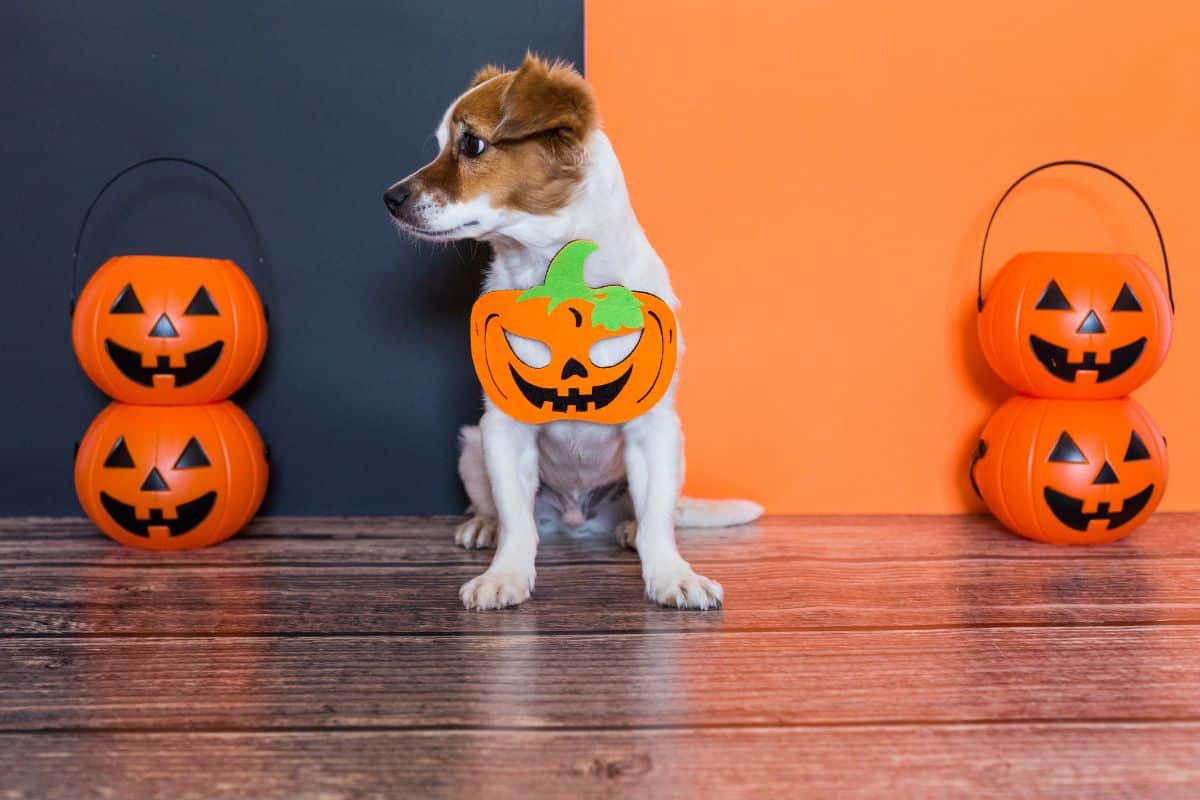
Halloween brings costumes, trick-or-treaters, doorbells, decorations, and frequent activity around the front door. For pet owners in Suffield and nearby locations, these changes can make October 31 more stressful than an ordinary evening. Even a normally calm dog or indoor cat may become frightened by unfamiliar masks, voices, or repeated visitors.
One important precaution to consider before Halloween is microchipping your pet. A microchip provides permanent identification that can help reunite a lost pet with its family if it is found and scanned. Unlike a collar or tag, the chip remains beneath the skin. However, it works most effectively when it is properly registered, and the owner’s contact information is current.
Why Is Halloween a Higher-Risk Night for Pets?
Halloween creates several situations that can increase the chance of an accidental escape. The front door may open dozens of times for trick-or-treaters. Costumes can make familiar people look strange, while loud voices and unexpected noises may frighten some pets.
The ASPCA recommends keeping most dogs and cats in a comfortable room away from the front door during peak trick-or-treating hours. It also notes that costumes and increased street activity can frighten pets and cause them to bolt.
Even if your pet usually stays close to home, Halloween is not the night to depend on normal behavior. Prevention should include secure doors and gates, supervision, visible identification, and a registered microchip.
How Does a Pet Microchip Work?
A pet microchip is a small electronic identification device, approximately the size of a grain of rice. It is generally implanted beneath the skin between a pet’s shoulder blades.
The chip does not continuously broadcast your pet’s location. When an appropriate scanner passes over it, the chip provides its unique identification number. A veterinary hospital or animal shelter can then use that number to determine which registry holds the associated contact information.
This distinction is important. A standard microchip is not GPS and cannot show you where your missing pet is. Its purpose is to identify your pet after it has been found.
Why Can a Microchip Be Important If Your Pet Already Wears an ID Tag?
Collars and tags provide valuable visible identification, but they can become damaged, fall off, or be separated from a pet. A microchip provides another identification method because it stays beneath the skin. AAHA recommends using microchips together with current collar identification rather than treating one as a replacement for the other.
This layered approach can be especially valuable on Halloween. If your pet slips through an open door and loses their collar outside, the microchip may still help identify them when scanned.
Is Your Pet’s Microchip Actually Registered?
This is one of the most important details to check before Halloween. A microchip itself contains an identification number, not your phone number, address, or medical history. Your contact information is maintained separately through a microchip registry. If the chip was never registered or your information is outdated, contacting you after your pet is found can become more difficult.
Before October 31, confirm:
- Your pet’s microchip is registered.
- Your current phone number is listed.
- Your email and address are accurate.
- An alternate contact is current, if one is provided.
- You have your pet’s microchip number available.
If you cannot locate the chip number or are unsure whether the chip can be detected, contact our animal hospital now to discuss having your pet scanned before Halloween.
Should an Already-Microchipped Pet Be Scanned Before Halloween?
Having an existing chip checked can be worthwhile, particularly if you have not verified it recently. AAHA encourages pet owners to have pets scanned annually to confirm the chip works and is in the right place.
A pre-Halloween check also gives you an opportunity to confirm the identification number and review the registry information. If you recently moved, changed phone numbers, or adopted an already-microchipped pet, updating those records is particularly important.
Build a Halloween Safety Plan Around Identification
Microchipping should be one part of your Halloween precautions, not the only safeguard.
Keep your pet securely indoors during trick-or-treating hours. Consider placing nervous pets in a quiet room away from the entryway. Dogs going outdoors should remain securely leashed, and pets should wear collars with readable identification tags.
If your pet escapes, start searching promptly and notify the appropriate microchip registry that the pet is missing. Contacting local shelters and animal care facilities may also help.
Give Your Pet an Extra Layer of Protection Before Halloween
Halloween can change your pet’s surroundings in ways that are difficult to predict. Taking identification precautions before the evening begins can help you prepare for an unexpected escape.
If your dog or cat has not been microchipped, or you are uncertain whether an existing chip can be detected, Suffield Veterinary Hospital can help you discuss the next steps with a veterinarian. Our hospital provides microchipping as one of its veterinary services in Suffield, CT.
Prepare before the trick-or-treaters arrive. Call our hospital at (860) 668-4041 to ask about microchipping your pet before Halloween.
Frequently Asked Questions
Q1. Does a pet microchip work like a GPS tracker?
Ans: No. A standard microchip does not provide real-time location tracking. It contains a unique identification number that a scanner can read. That number can help an animal hospital or shelter identify the registry associated with your pet.
Q2. Should I microchip an indoor cat before Halloween?
Ans: Indoor cats can still escape through an unexpectedly open door. Halloween involves frequent visitors and unusual noises, so identification can provide an additional safeguard. Suffield Veterinary Hospital can discuss microchipping options for cats that normally remain indoors.
Q3. Does my pet still need an ID tag after being microchipped?
Ans: Yes. Visible ID tags and microchips serve complementary purposes. A tag may let someone contact you immediately, while a microchip provides permanent identification if the collar is lost.
Q4. How do I know whether my pet’s microchip information is current?
Ans: Locate your pet’s microchip number and check which registry maintains it. If you cannot find the number, Suffield Veterinary Hospital can help by scanning your pet so you can confirm the chip information and take appropriate steps to update the registry.
Q5. Can an adopted pet already have a microchip?
Ans: Yes. Previously adopted pets may already be microchipped. Update the ownership and contact information after adoption. Suffield Veterinary Hospital can scan your pet if you are unsure whether a chip is present.
Q6. When should I arrange microchipping before Halloween?
Ans: Do not wait until Halloween night to think about identification. Arrange it beforehand so you have time to confirm that the chip is detectable and registration details are accurate. Continue using a secure collar and current ID tag as additional safeguards.
Related Articles
Trusted Pet Care & a Friendly Welcome for Every Pet
Call/Text: (860) 668-4041
